Deprecated: Function pll_the_languages() was called with an argument that is deprecated since version 3.9! See the documentation of pll_the_languages() in /home/kardoost/public_html/wp-includes/functions.php on line 6260

    Notice: Function pll_the_languages() was called incorrectly. pll_the_languages() does not output a wrapper by default. Pass `show_wrapper` => false explicitly to keep this behavior. In a near future, pll_the_languages() will output a `` wrapper as well (i.e. `show_wrapper` will default to `true`). Please see Debugging in WordPress for more information. (This message was added in version 3.9.) in /home/kardoost/public_html/wp-includes/functions.php on line 6260
  • فارسی
  • English

Request for advice
Celestite Export


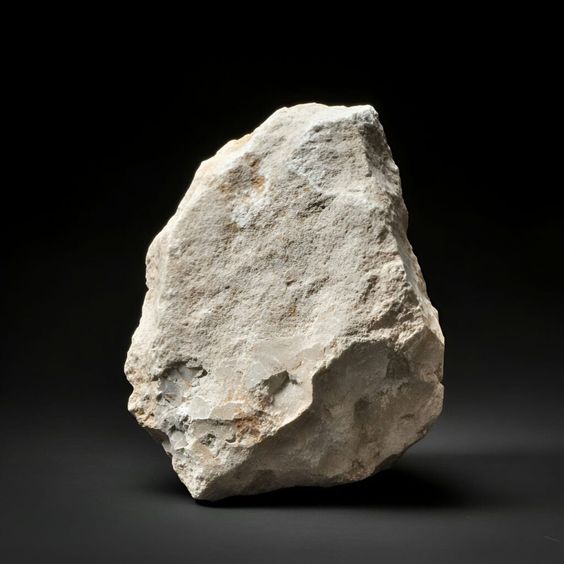
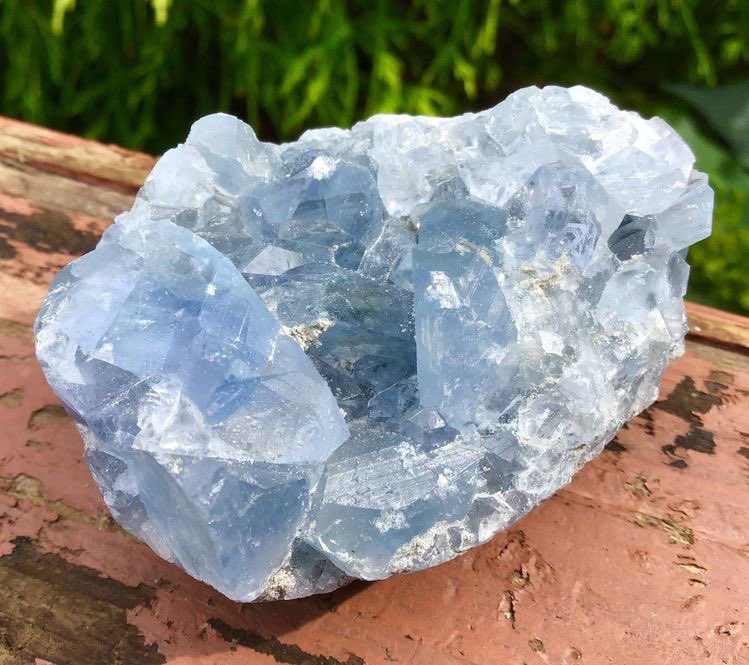
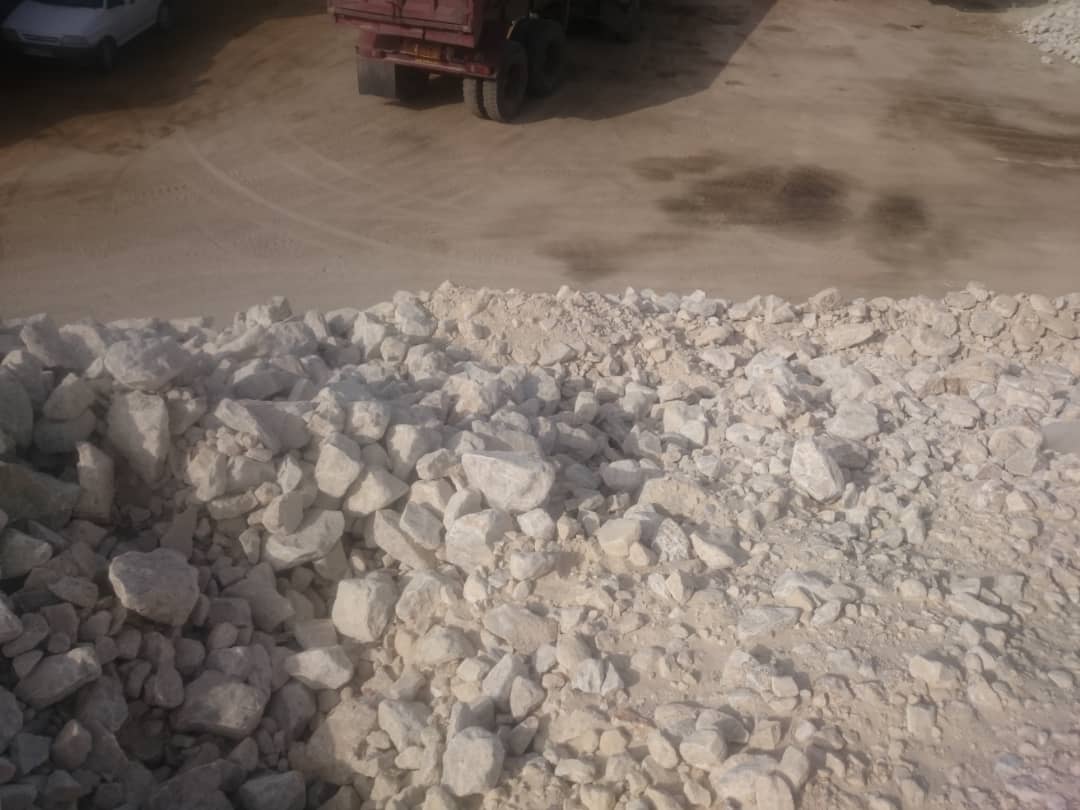
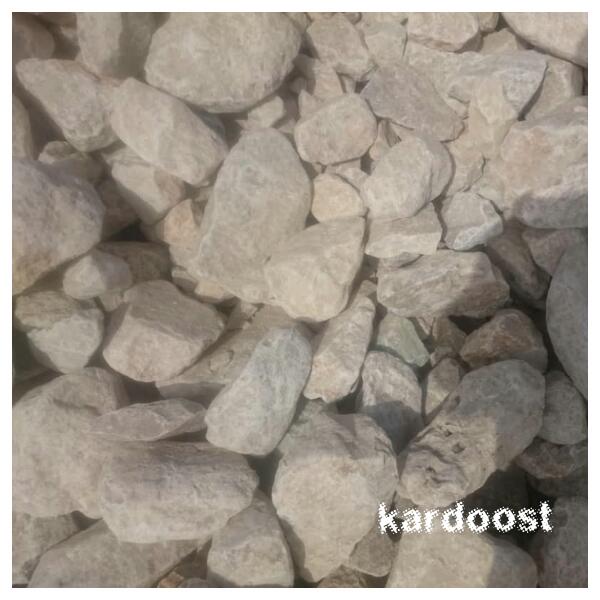
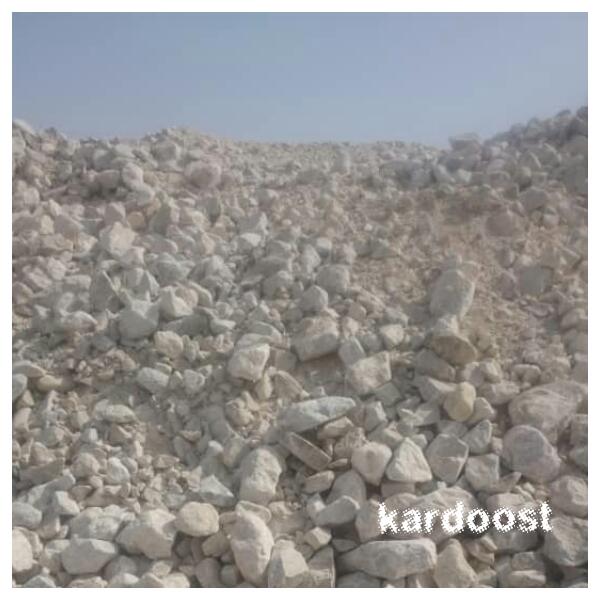
Celestite (Celestine), with the chemical formula SrSO₄, is the primary naturally occurring mineral source of strontium and a valuable raw material used in the chemical and mineral industries. Iran is one of the world’s significant celestite-producing countries, with considerable potential for supplying and exporting this mineral to international markets.

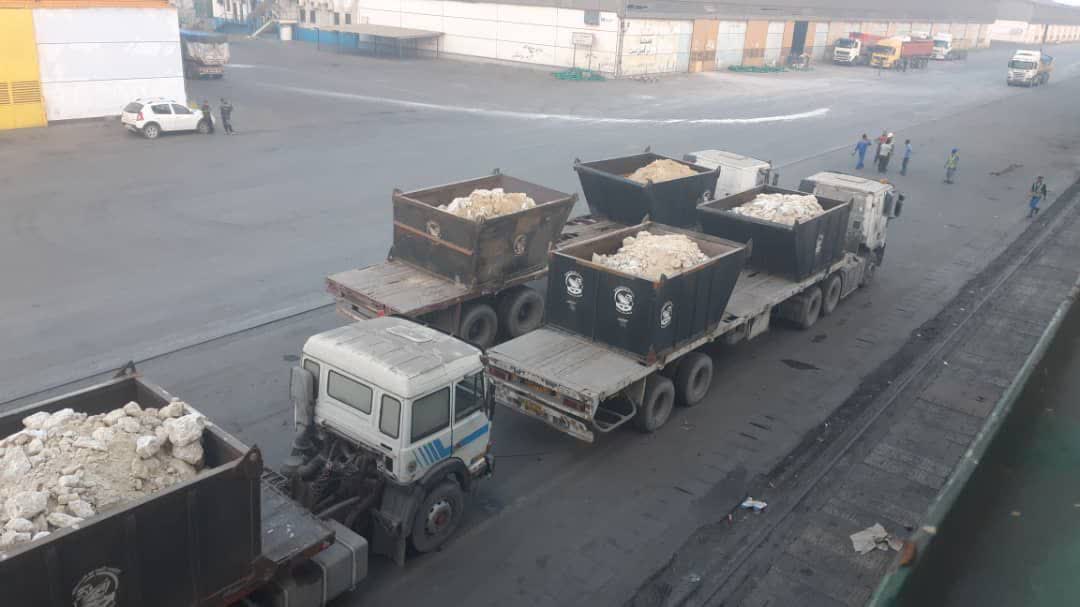
Kardoost Aria specializes in the international trade of mineral products, with a focus on sourcing Iranian celestite and exporting celestite to global markets. We facilitate the supply of products tailored to specific technical requirements, including grade, particle size, and end-user needs.

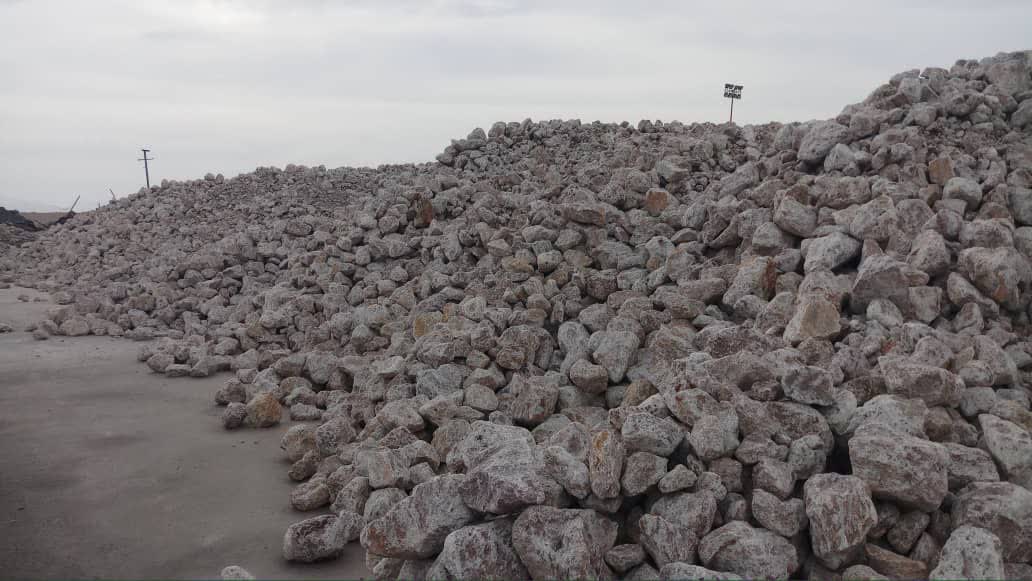
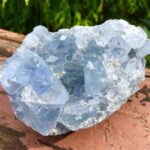
Celestite, also known as celestine, is a sulfate mineral composed of strontium sulfate (SrSO₄) and is the most important natural source of strontium. It typically forms in sedimentary deposits and is commonly associated with evaporite rocks and formations.

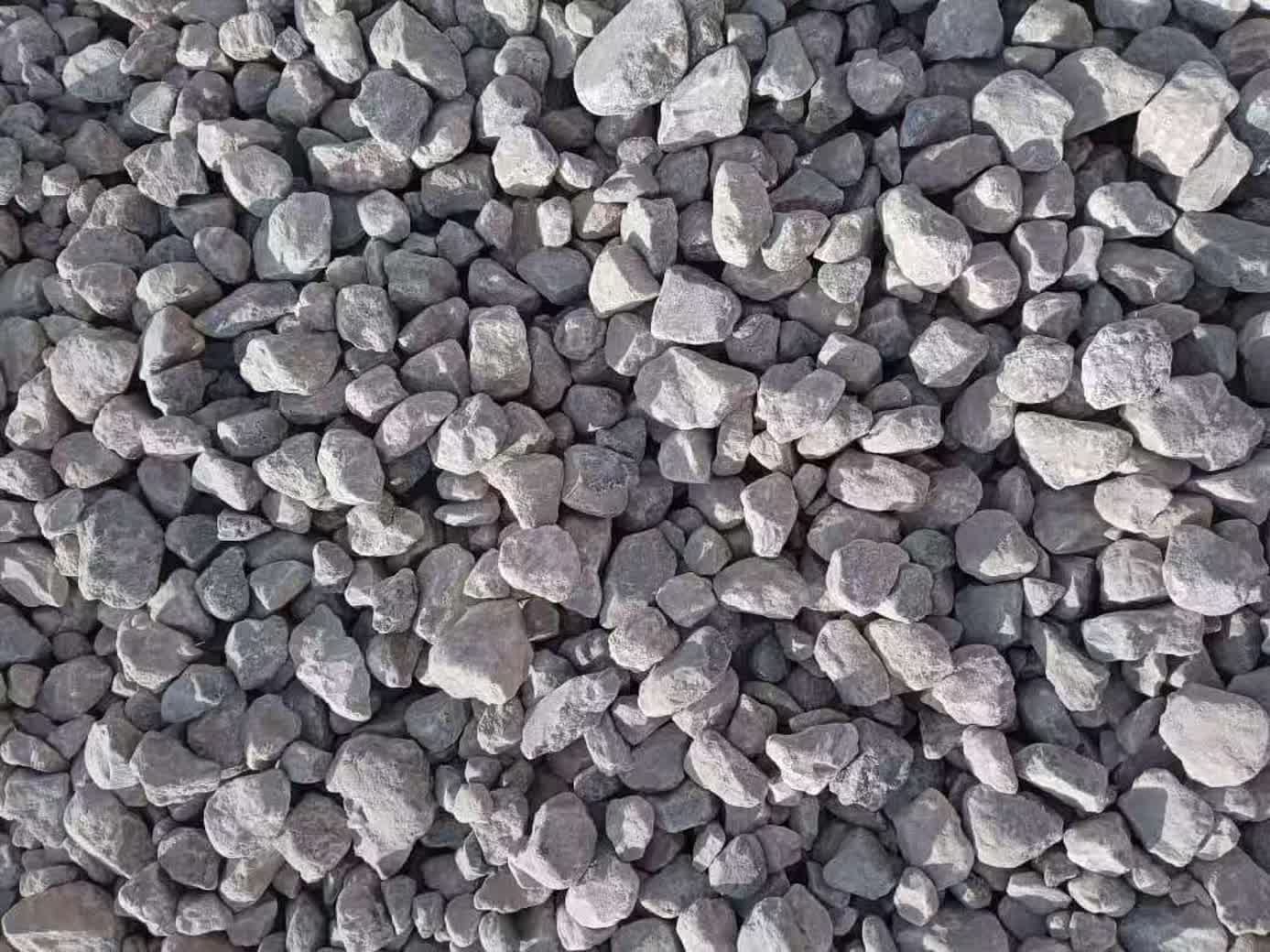
Celestite extracted from mines generally contains varying amounts of associated minerals and impurities, including calcium and barium compounds, silica, iron, and clay minerals, in addition to strontium sulfate. Therefore, celestite grade, impurity levels, and particle size are key factors in determining its quality and suitability for different applications.

Celestite Quality and Grade

Celestite quality cannot be determined by the mineral’s appearance alone. In professional trade, chemical analysis and physical specifications are the primary criteria used to evaluate the product.

Key parameters for celestite quality control include SrSO₄, SrO, CaO, BaO, SiO₂, Fe₂O₃, moisture content, and particle size distribution.

The concentration of each component can affect the mineral’s suitability for specific applications and its commercial value. Therefore, before an order is finalized, the buyer’s technical requirements are carefully compared with the specifications of the available product.

Celestite Testing and Quality Control

Quality control before loading and shipment is an important part of celestite export operations.

Representative sampling and appropriate laboratory tests can be conducted to determine chemical composition, grade, impurity levels, moisture content, and particle size distribution.

When required, the product specifications can be verified by a laboratory approved by both parties, and a Certificate of Analysis (COA) can be prepared for the shipment.

Chemical Industry

Celestite serves as an important raw material for the production of strontium compounds, with a wide range of applications across various industries. The U.S. Geological Survey (USGS) identifies celestite as a primary raw material for producing strontium carbonate and other strontium compounds.

Chemical Industry

One of the most important applications of celestite is its use as a raw material for producing various strontium compounds, particularly strontium carbonate (SrCO₃).

Ceramic Industry

Strontium compounds are used in the manufacture of certain ceramic products, particularly ceramic ferrites and permanent magnets.

Glass Industry

Certain strontium compounds are used in the production of glass and specialized glass products for industrial applications.

Pyrotechnics Industry

Strontium compounds produce a distinctive red color in flames, making them useful in certain pyrotechnic applications, including fireworks, flares, and signaling devices.

Drilling Industry

Ground celestite can be used in certain applications related to oil and gas well drilling fluids. According to the USGS 2026 report, drilling fluids are among the principal uses of celestite in the U.S. market.

Other Industrial Applications

Strontium compounds derived from celestite processing are also used in areas such as glass manufacturing, specialized alloys, pigments, and other niche industrial applications.


Target Markets for Celestite

The target market for celestite depends on its end use and the customer’s required specifications. In international trade, both celestite ore and strontium compounds, such as strontium carbonate, are traded in global markets.

According to the U.S. Geological Survey (USGS), Iran’s exports of strontium carbonate in 2024 were estimated at approximately 1,000 metric tons, with destinations including China, India, and South Korea.

This highlights Iran’s presence in Asian strontium-related markets and the potential for expanding international trade in this group of mineral products.

Packaging for Export Celestite

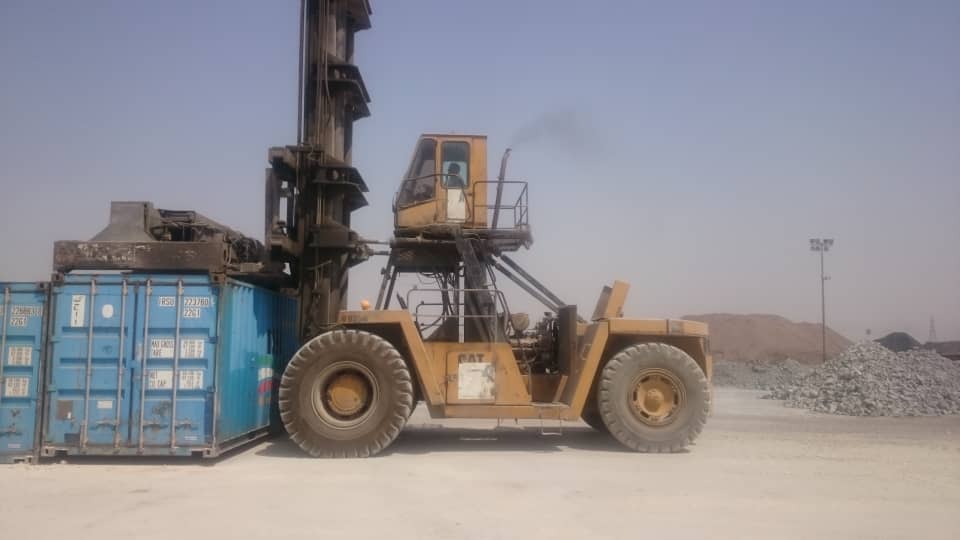
Celestite packaging is determined by product specifications, order volume, and destination requirements.

Depending on the terms of the transaction, the following packaging options may be available:

  • Bulk

  • Big Bags

  • Jumbo Bags

  • Industrial sacks

  • Customized packaging by mutual agreement

Selecting the appropriate packaging helps preserve product quality, prevent contamination and material loss, and facilitate loading, transportation, and unloading operations.

Latest articles


Stainless Steel Grade Differences

Stainless Steel Grade Differences

How to Evaluate Celestite Quality?

How to Evaluate Celestite Quality?

Gilsonite in the Drilling Industry

Gilsonite in the Drilling Industry

Article categories


Portfolio


Stainless Steel Grade Differences

Stainless Steel Grade Differences

How to Evaluate Celestite Quality?

How to Evaluate Celestite Quality?

Gilsonite in the Drilling Industry

Gilsonite in the Drilling Industry