Steel Supply
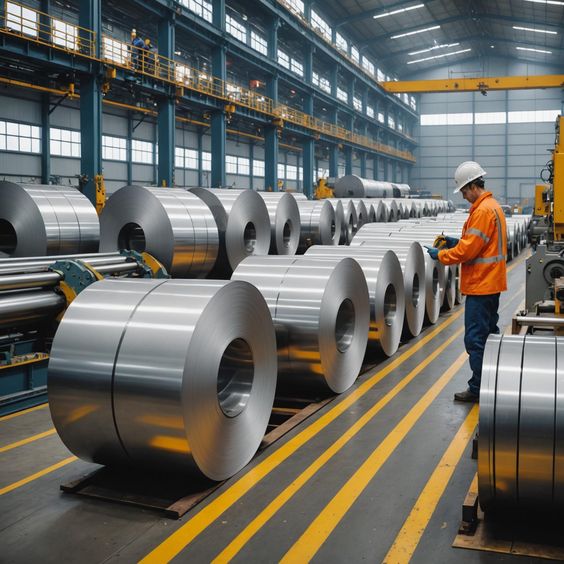
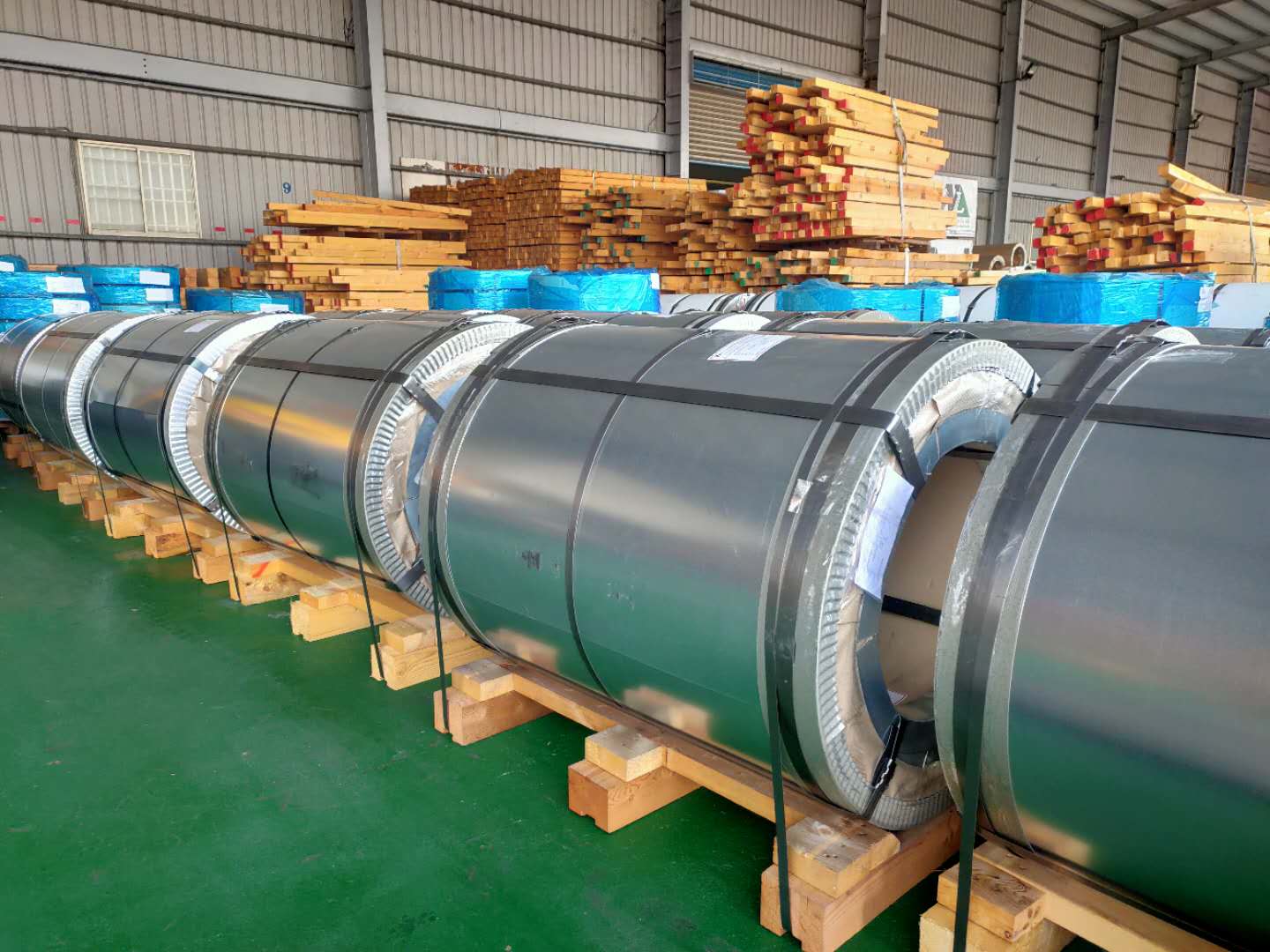
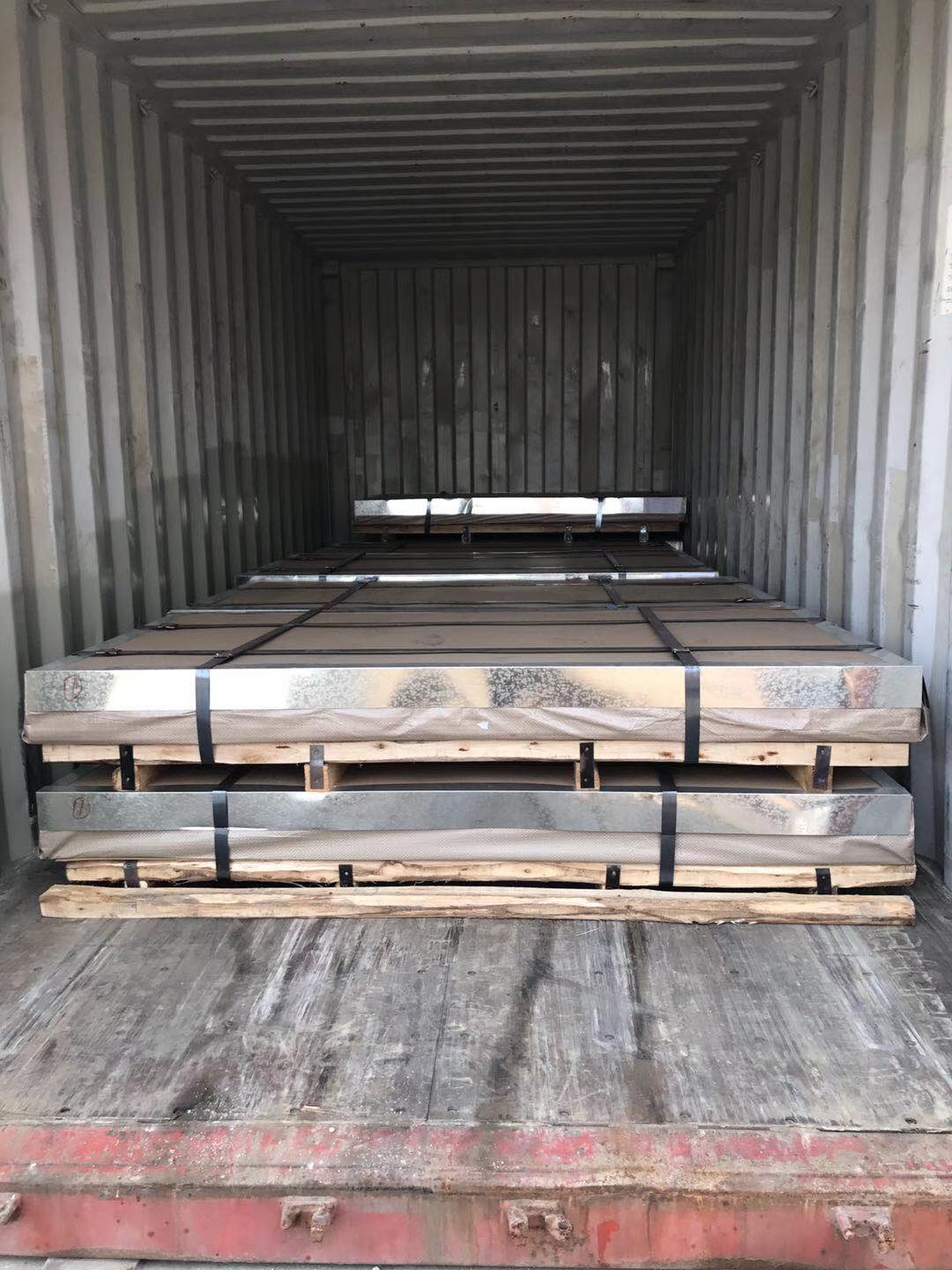
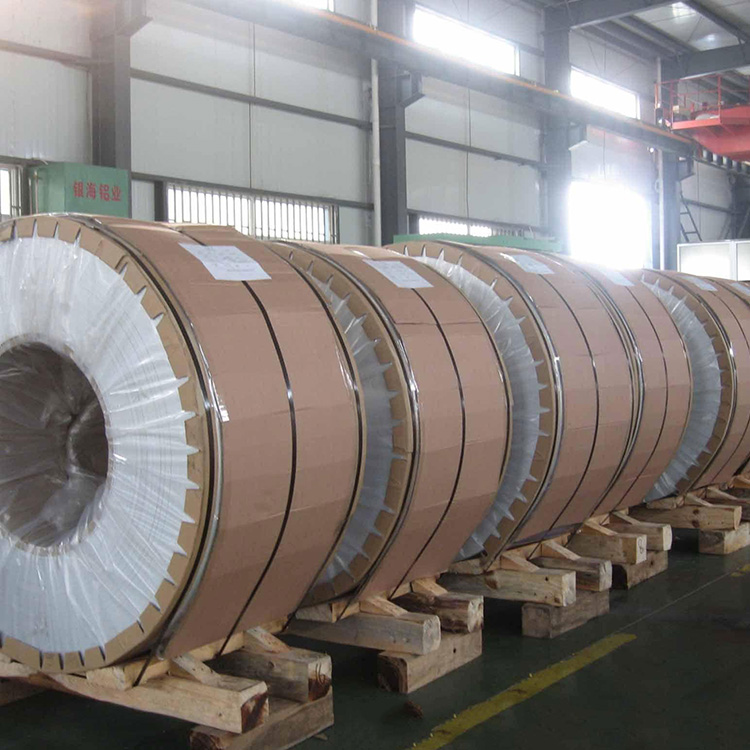
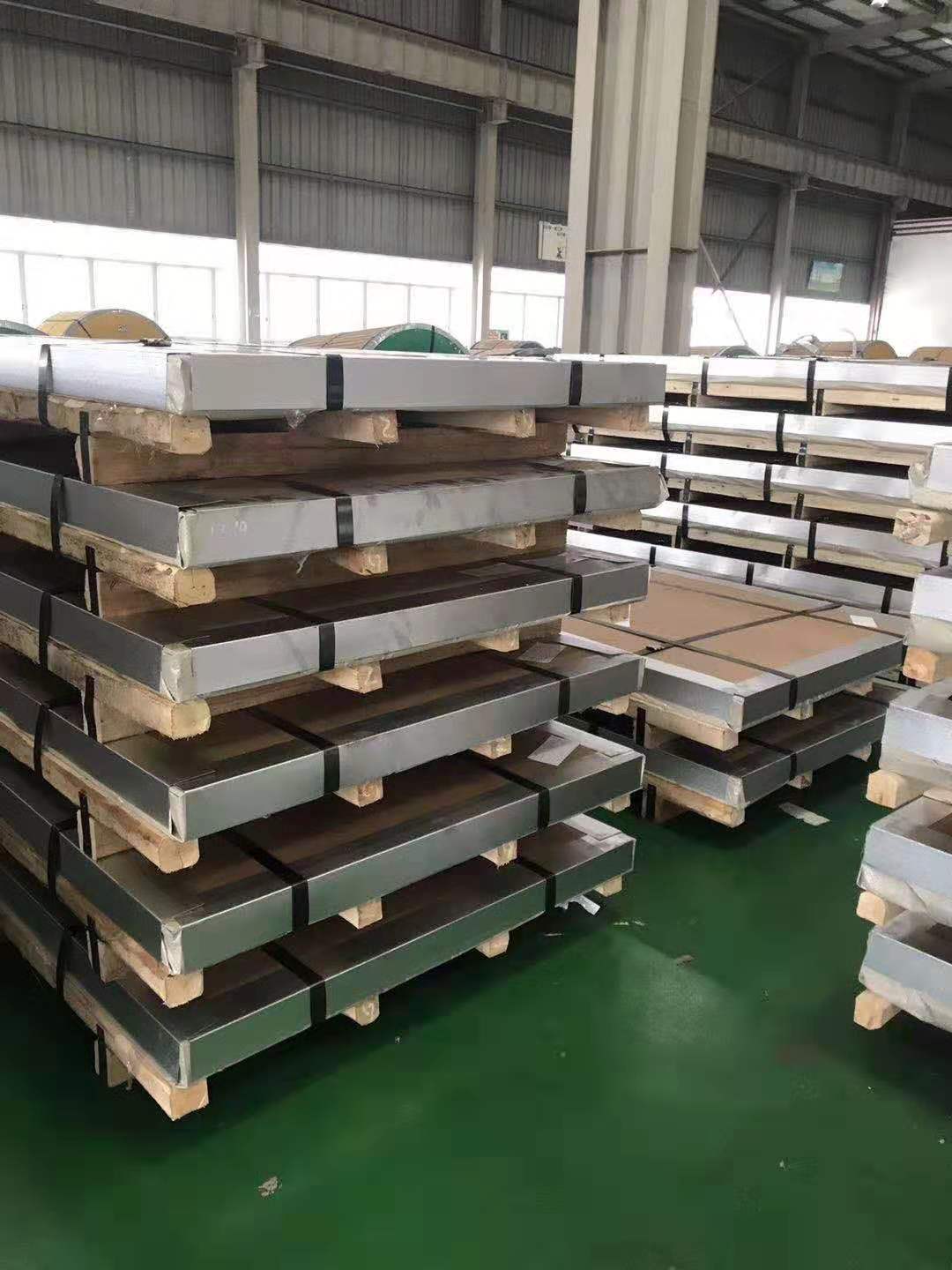
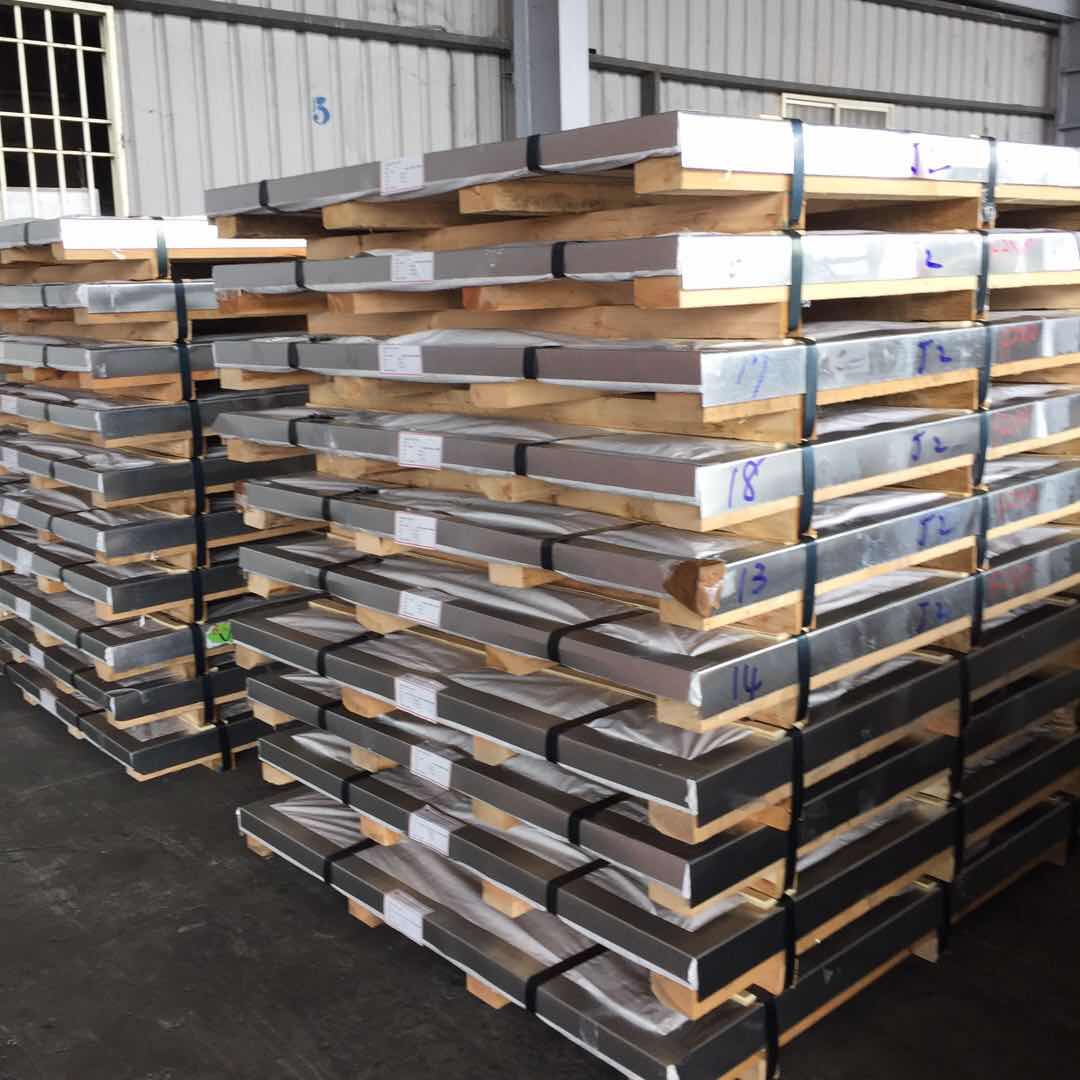
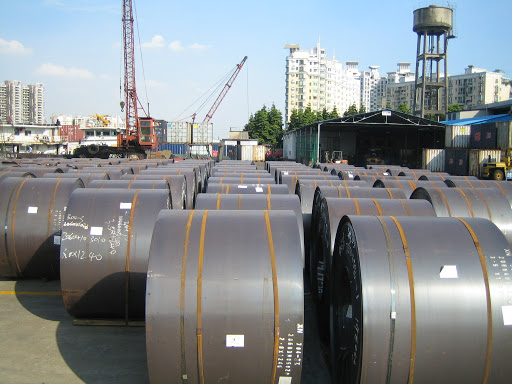
Kardoost Aria is a supplier and importer of a wide range of stainless steel products, including sheets, tubes, pipes, round bars, and fittings.
Stainless steel is one of the most widely used metal alloys across various industries. Its corrosion resistance, durability, strength, formability, and attractive appearance make it suitable for a broad range of industrial applications.
Kardoost Aria operates in international trade, specializing in stainless steel imports and supply. We provide a range of stainless steel products tailored to customers’ requirements in terms of grade, standard, dimensions, thickness, surface finish, and technical specifications.
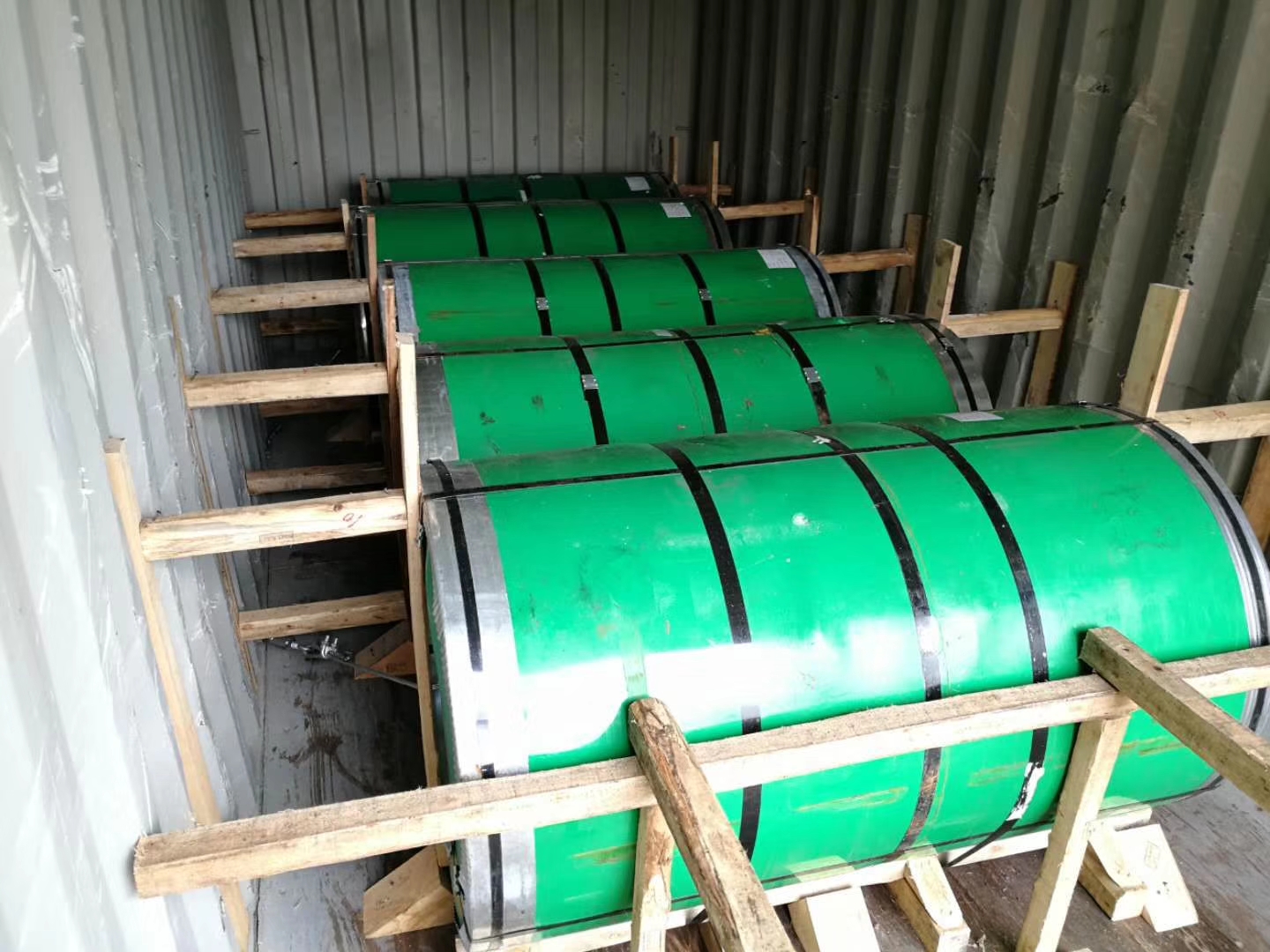
Our approach to stainless steel import and supply focuses on sourcing products from reliable suppliers, verifying technical specifications, implementing quality control, coordinating procurement, and managing international transportation.
We supply stainless steel products in 304, 304L, 316, and 316L grades, with a particular focus on 316 and 316L stainless steel for applications requiring enhanced corrosion resistance. Our products serve a variety of industries, including oil and gas, petrochemical, food processing, and pharmaceutical manufacturing.
Target Markets for Celestite
The target markets for celestite depend on its end use, quality, and customer specifications. In international trade, both celestite ore and strontium compounds, such as strontium carbonate, are traded across global markets. According to the U.S. Geological Survey (USGS), Iran’s exports of strontium carbonate in 2024 were estimated at approximately 1,000 metric tons, with destinations including China, India, and South Korea. These trade flows highlight Iran’s presence in Asian strontium-related markets and the potential to expand international trade in celestite and related mineral products.Packaging for Celestite Export
Celestite packaging is determined by product specifications, order volume, transportation methods, and destination requirements. Depending on the terms of the transaction, available packaging options may include:- Bulk Shipments
- Big Bags
- Jumbo Bags
- Industrial Sacks
- Customized Packaging by mutual agreement
Target Markets for Celestite
The target markets for celestite depend on its end use, quality, and customer specifications. In international trade, both celestite ore and strontium compounds, such as strontium carbonate, are traded across global markets. According to the U.S. Geological Survey (USGS), Iran's exports of strontium carbonate in 2024 were estimated at approximately 1,000 metric tons, with destinations including China, India, and South Korea. These trade flows highlight Iran's presence in Asian strontium-related markets and the potential to expand international trade in celestite and related mineral products.Packaging for Celestite Export
Celestite packaging is determined by product specifications, order volume, transportation methods, and destination requirements. Depending on the terms of the transaction, available packaging options may include:- Bulk Shipments
- Big Bags
- Jumbo Bags
- Industrial Sacks
- Customized Packaging by mutual agreement
Gilsonite Export
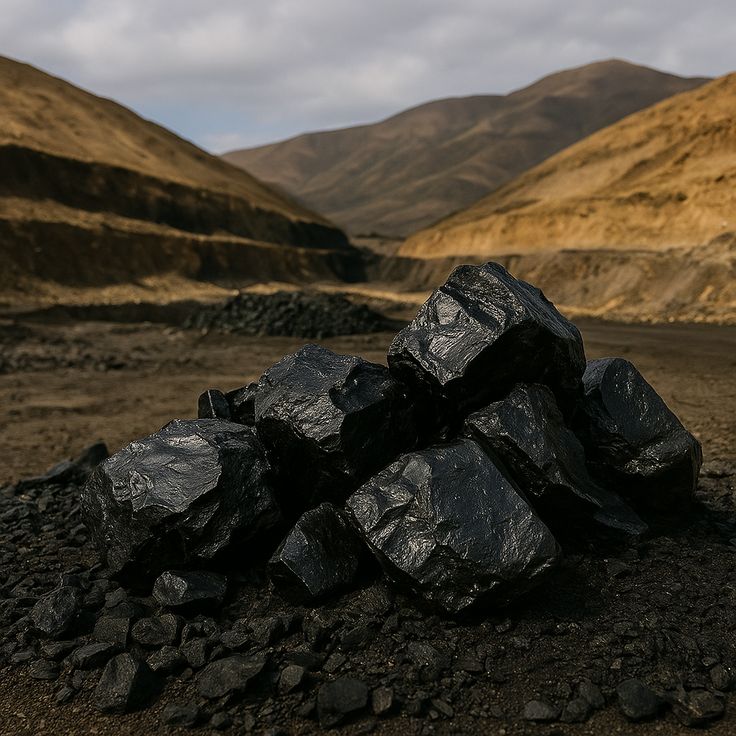
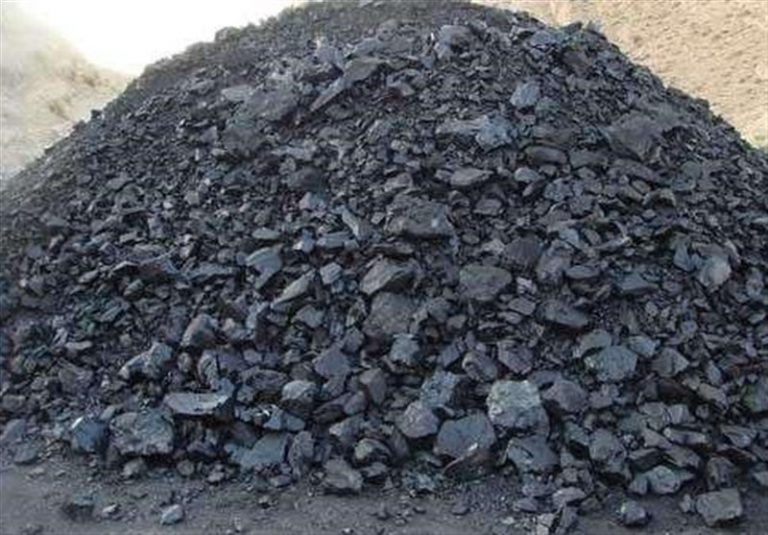
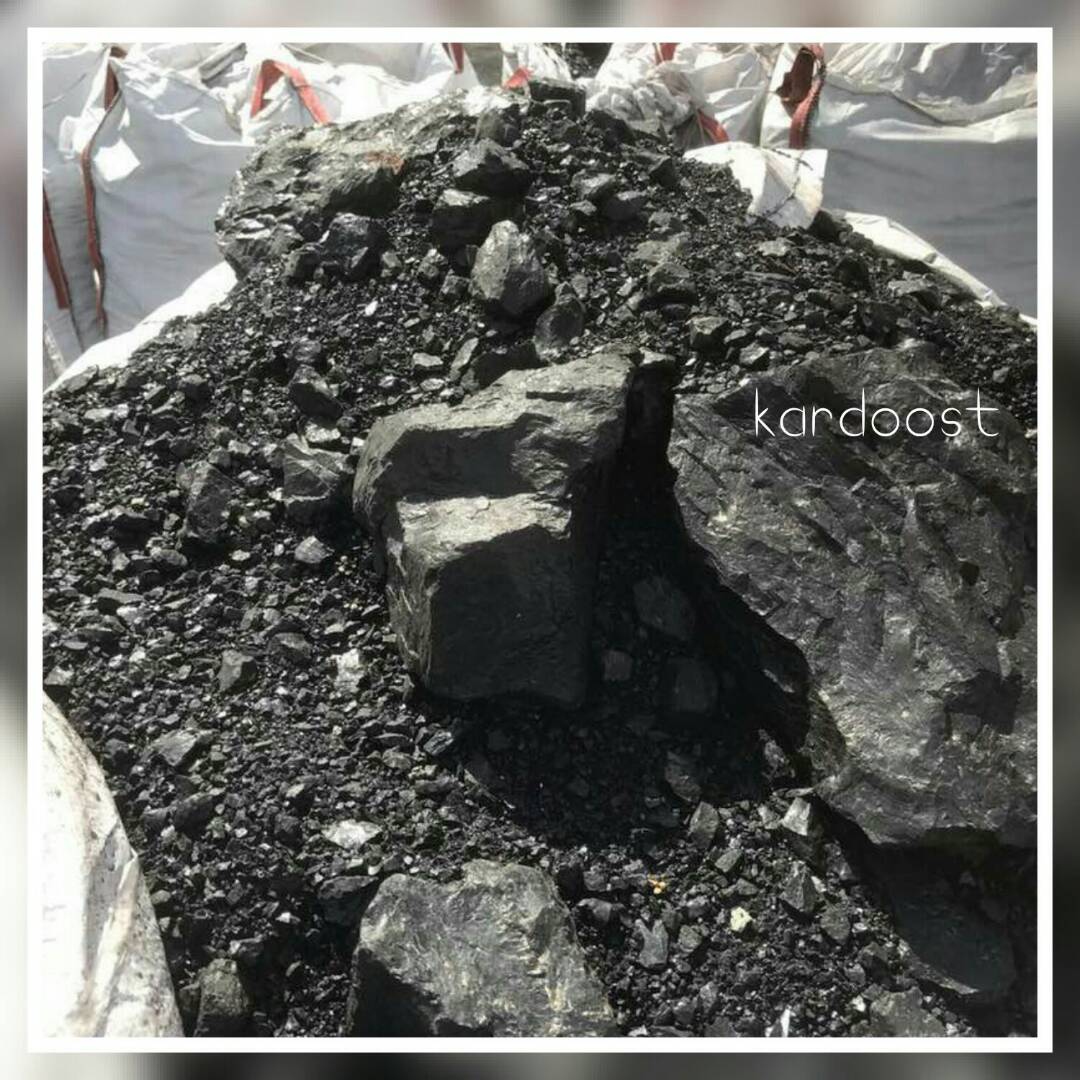
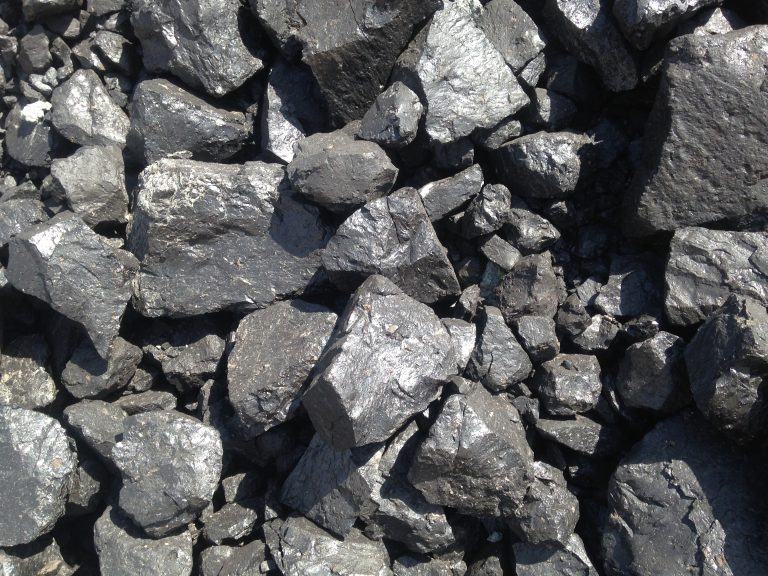
Gilsonite, also known as Natural Bitumen, Mineral Bitumen, and Natural Asphalt, is a naturally occurring solid hydrocarbon of petroleum origin, formed through geological processes over millions of years. Due to its purity, solubility in certain organic solvents, softening point, and distinctive physical and chemical properties, Gilsonite is used in a wide range of industries, including asphalt production and road construction, oil and gas drilling, foundry applications, inks and paints, insulation, adhesives, chemicals, and specialized industrial applications.
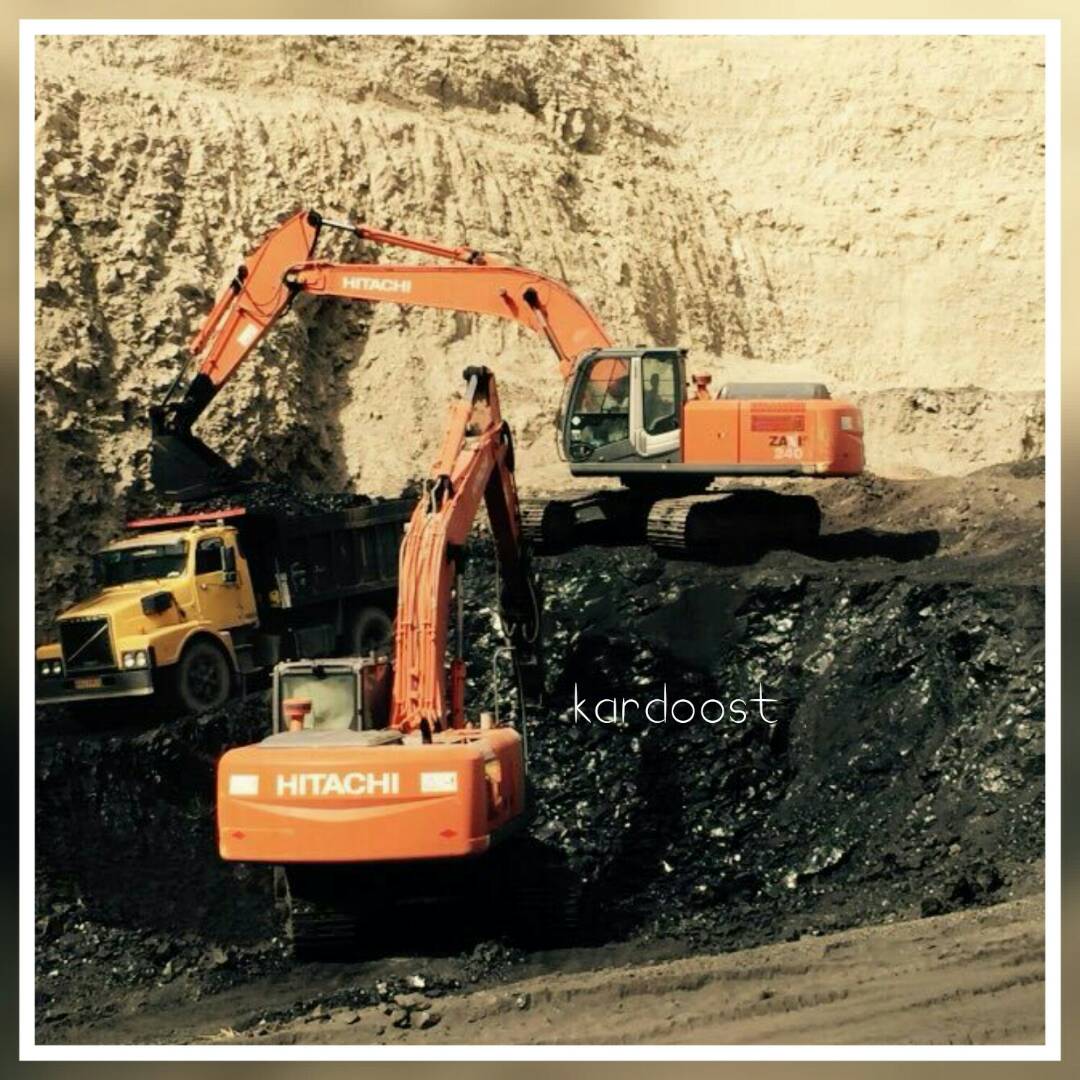
Kardoost Aria operates in the international trade of minerals and industrial products, specializing in the supply and export of Iranian Gilsonite. We source Gilsonite according to technical specifications, quality requirements, and intended applications, serving both domestic and international customers.
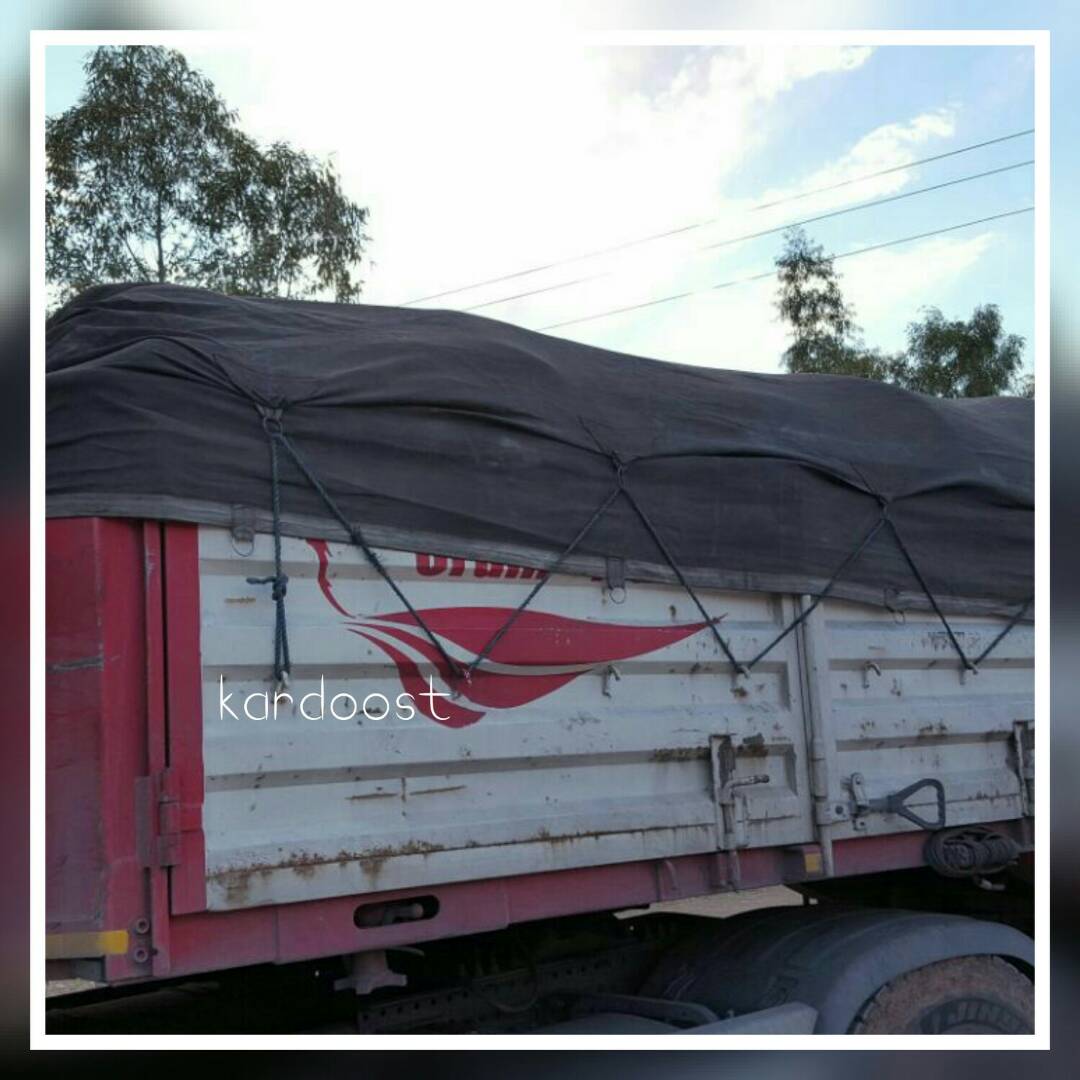
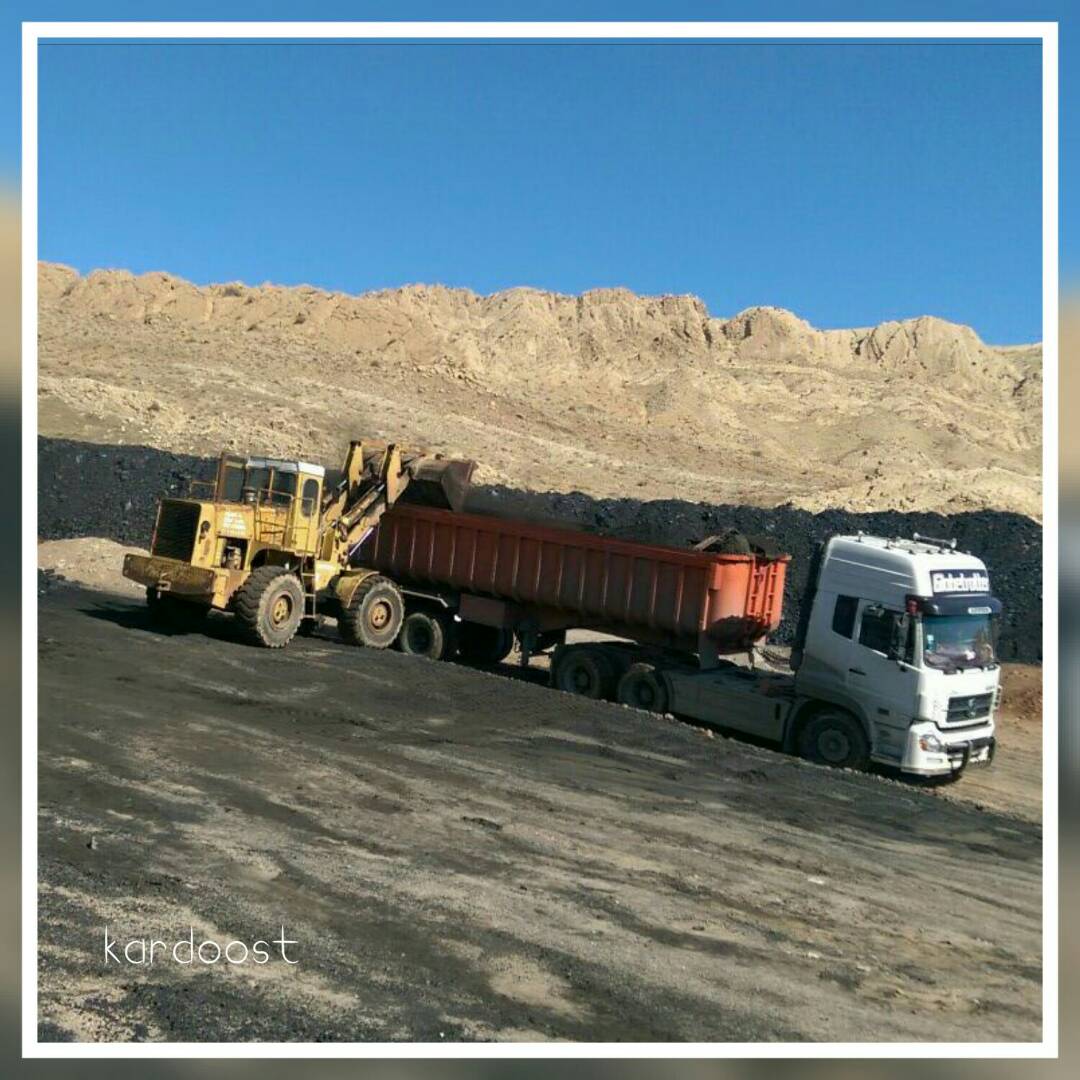
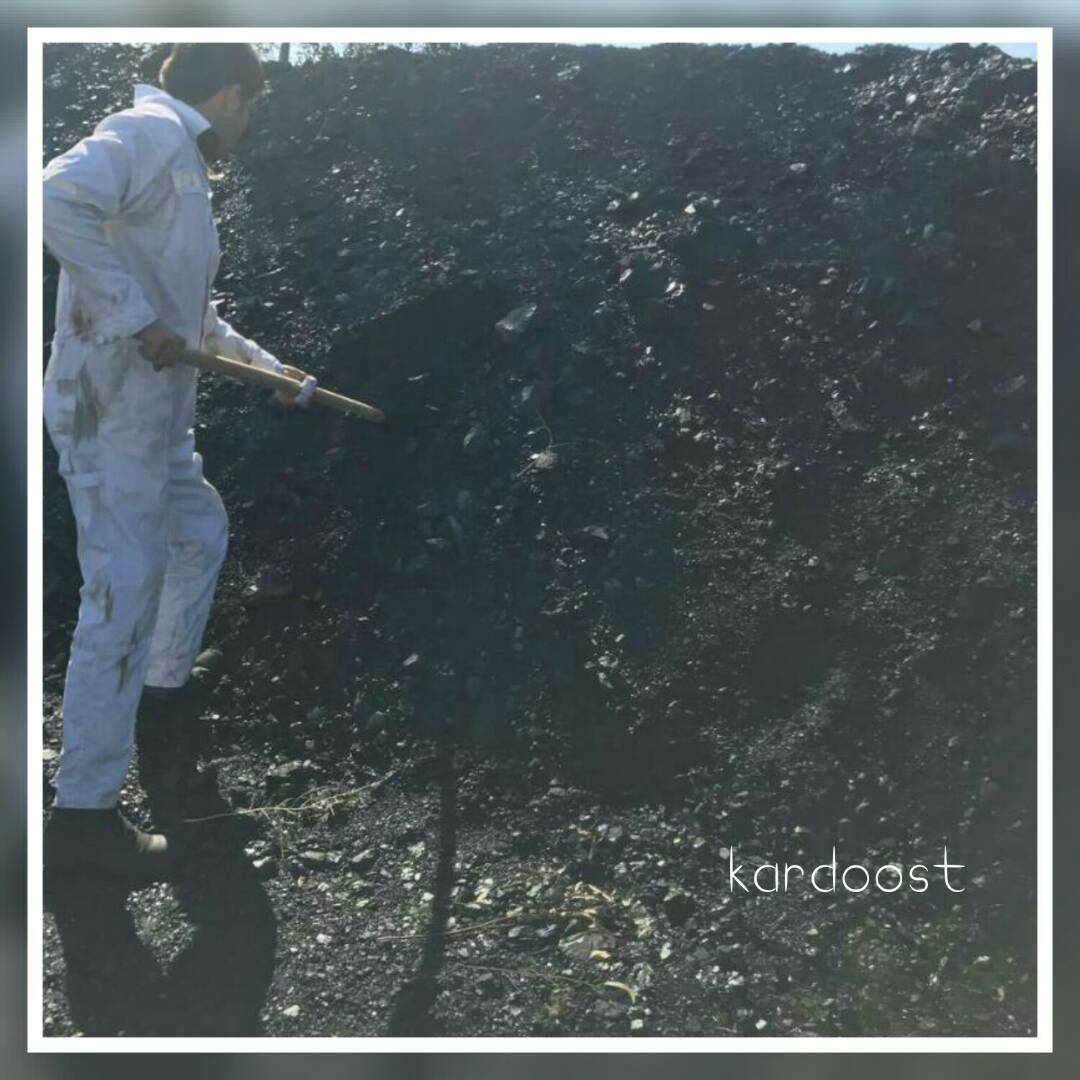
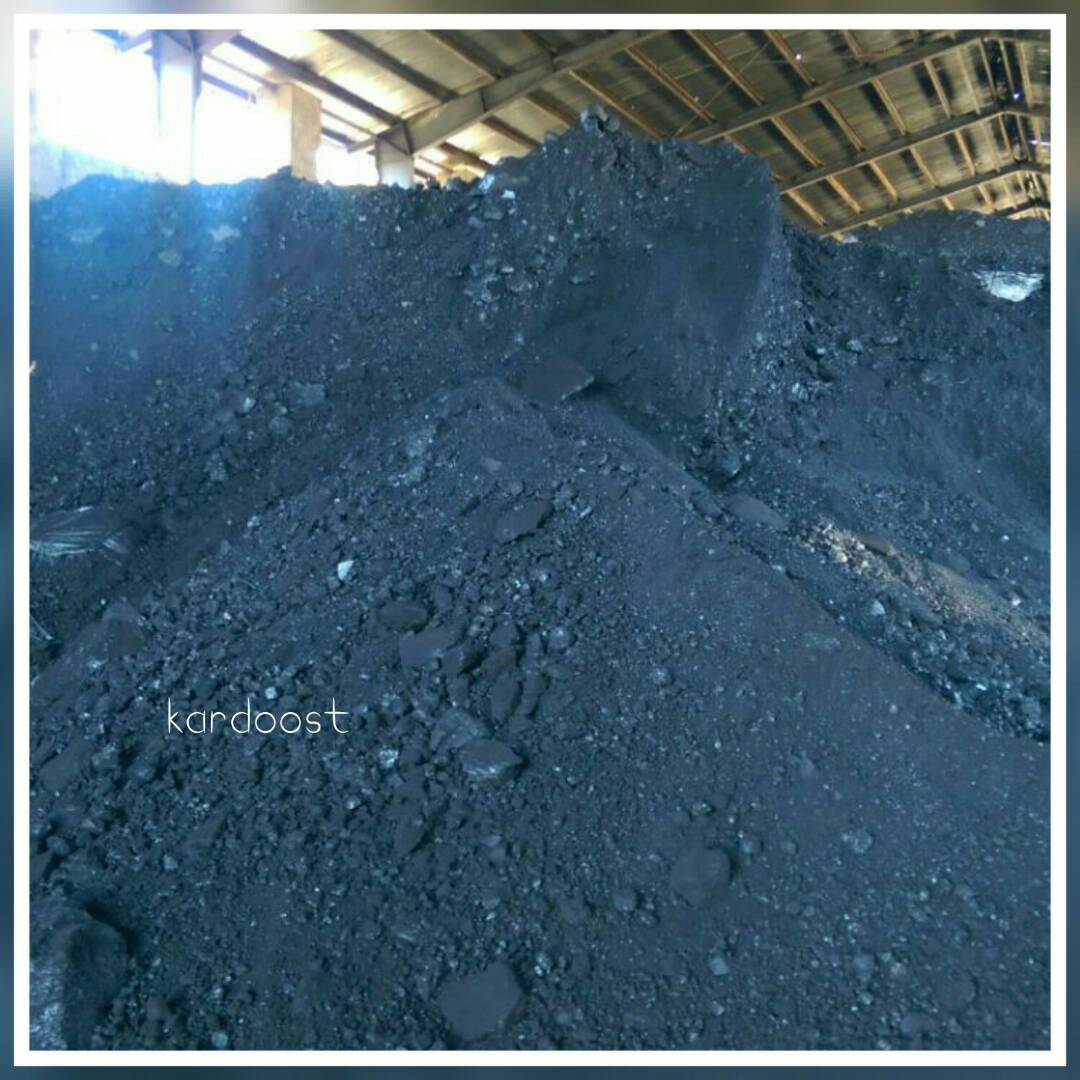
- Asphaltene Content
- Resin Content
- Moisture Content
- Ash Content
- Volatile Matter
- Softening Point
- Solubility
- Particle Size
- Specific Gravity
- Sulfur Content and other relevant compounds, depending on the intended application
1. Gilsonite in Oil and Gas Drilling
One of the most well-known applications of Gilsonite is its use in drilling fluids and drilling mud. In certain drilling mud formulations, Gilsonite can help improve properties such as filtration control, reduction of fluid invasion into the formation, and overall drilling fluid performance. The type and dosage of Gilsonite used for this application should be determined according to well conditions, formation characteristics, and the drilling fluid formulation.2. Gilsonite in Asphalt and Road Construction
Gilsonite is used in the asphalt and road construction industry as a modifying agent and additive. Adding Gilsonite to certain asphalt mixtures may help improve performance characteristics, including stiffness, resistance to deformation, and performance under specific temperature conditions. The dosage and final results depend on the bitumen type, mix design, aggregate specifications, and project conditions.3. Gilsonite in Foundry Applications
Gilsonite is also used in the metal casting and foundry industry. It can be incorporated into foundry sand mixtures and mold coatings, where it may help control certain surface defects and improve casting quality.4. Paints and Printing Inks
Due to its dark color, hydrocarbon-based composition, and solubility in certain organic solvents, Gilsonite is used in selected formulations of paints, printing inks, and industrial coatings.5. Adhesives and Sealants
Certain grades of Gilsonite, owing to their binding properties and compatibility with hydrocarbon-based materials, can be used in the production of adhesives, sealants, and modifying compounds.6. Insulation and Industrial Coatings
Gilsonite is also used in certain insulation materials, coatings, and protective products. It can serve as a component in formulations based on bituminous materials.7. Chemical Industries
Due to its complex hydrocarbon structure, Gilsonite can be used as a raw material or additive in selected chemical processes and the production of specialized industrial products. Add a Kardoost export conclusionInclude Gilsonite supply and quality control The quality of Gilsonite depends on several factors, and it cannot be determined solely by the product’s color or appearance. The key parameters evaluated during Gilsonite quality control include:- Asphaltene Content
- Resin Content
- Moisture Content
- Ash Content
- Volatile Matter
- Softening Point
- Solubility
- Particle Size
- Specific Gravity
- Sulfur Content and other relevant compounds, depending on the intended application
1. Gilsonite in Oil and Gas Drilling
One of the most well-known applications of Gilsonite is its use in drilling fluids and drilling mud. In certain drilling mud formulations, Gilsonite can help improve properties such as filtration control, reduction of fluid invasion into the formation, and overall drilling fluid performance. The type and dosage of Gilsonite used for this application should be determined according to well conditions, formation characteristics, and the drilling fluid formulation.2. Gilsonite in Asphalt and Road Construction
Gilsonite is used in the asphalt and road construction industry as a modifying agent and additive. Adding Gilsonite to certain asphalt mixtures may help improve performance characteristics, including stiffness, resistance to deformation, and performance under specific temperature conditions. The dosage and final results depend on the bitumen type, mix design, aggregate specifications, and project conditions.3. Gilsonite in Foundry Applications
Gilsonite is also used in the metal casting and foundry industry. It can be incorporated into foundry sand mixtures and mold coatings, where it may help control certain surface defects and improve casting quality.4. Paints and Printing Inks
Due to its dark color, hydrocarbon-based composition, and solubility in certain organic solvents, Gilsonite is used in selected formulations of paints, printing inks, and industrial coatings.5. Adhesives and Sealants
Certain grades of Gilsonite, owing to their binding properties and compatibility with hydrocarbon-based materials, can be used in the production of adhesives, sealants, and modifying compounds.6. Insulation and Industrial Coatings
Gilsonite is also used in certain insulation materials, coatings, and protective products. It can serve as a component in formulations based on bituminous materials.7. Chemical Industries
Due to its complex hydrocarbon structure, Gilsonite can be used as a raw material or additive in selected chemical processes and the production of specialized industrial products. Add a Kardoost export conclusionInclude Gilsonite supply and quality control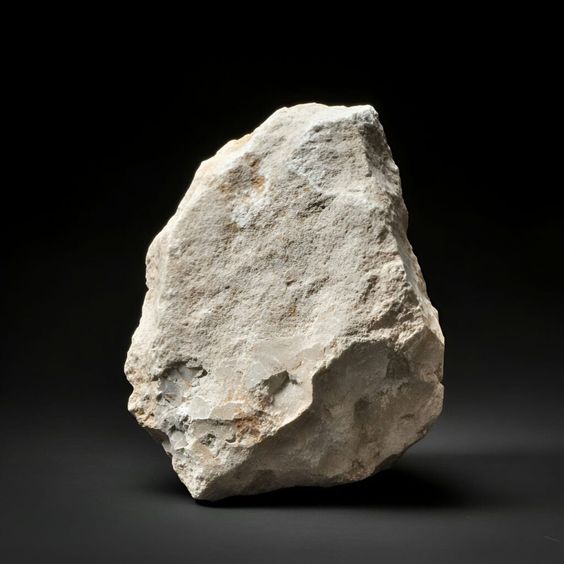
Celestite Export
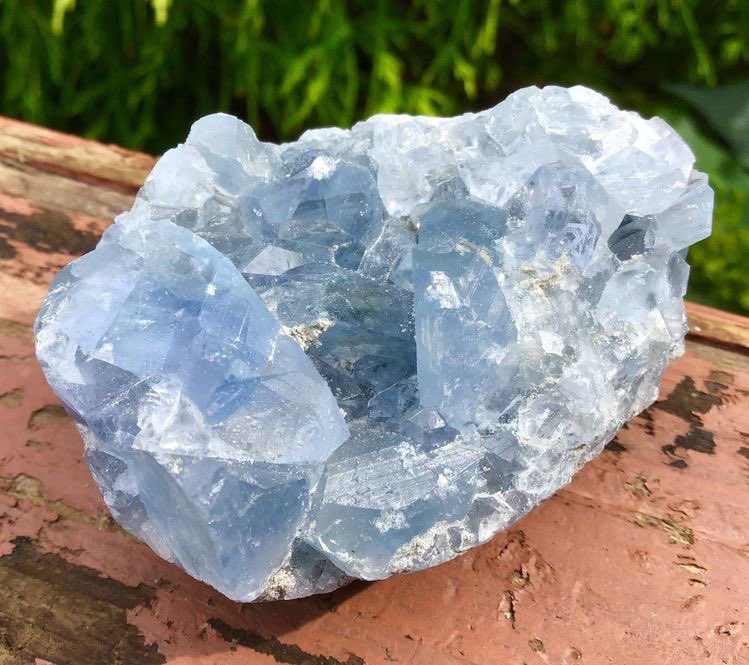
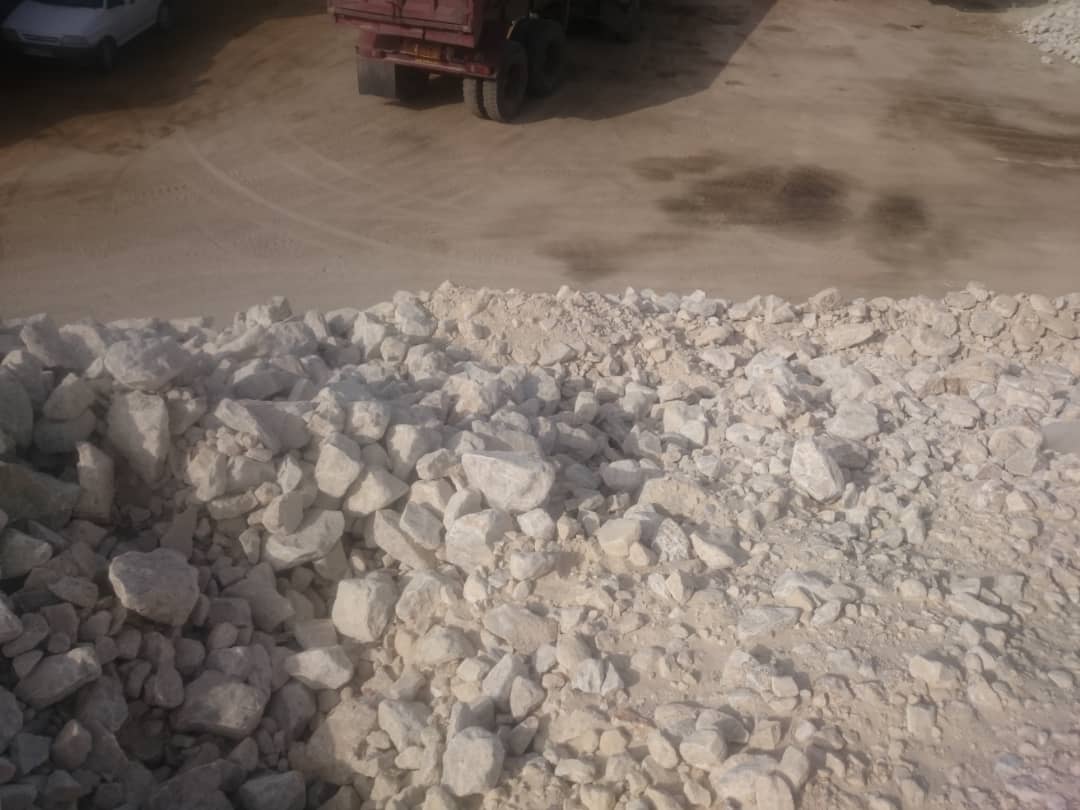
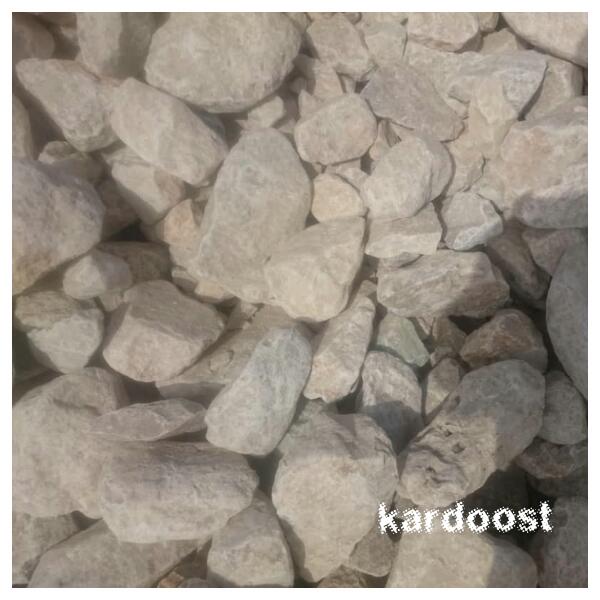
Celestite (Celestine), with the chemical formula SrSO₄, is the primary naturally occurring mineral source of strontium and a valuable raw material used in the chemical and mineral industries. Iran is one of the world's significant celestite-producing countries, with considerable potential for supplying and exporting this mineral to international markets.
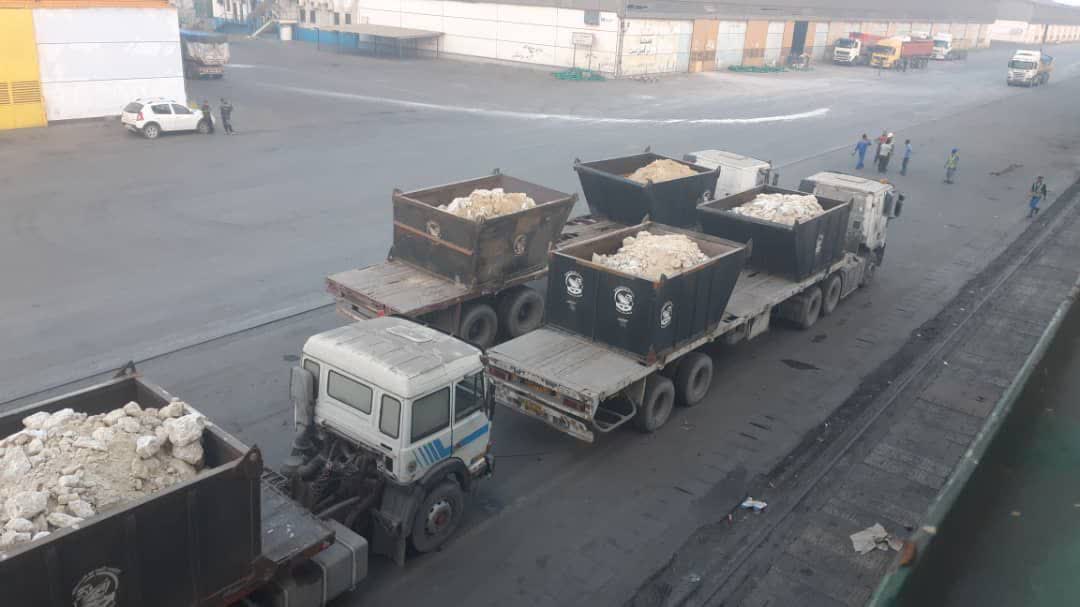
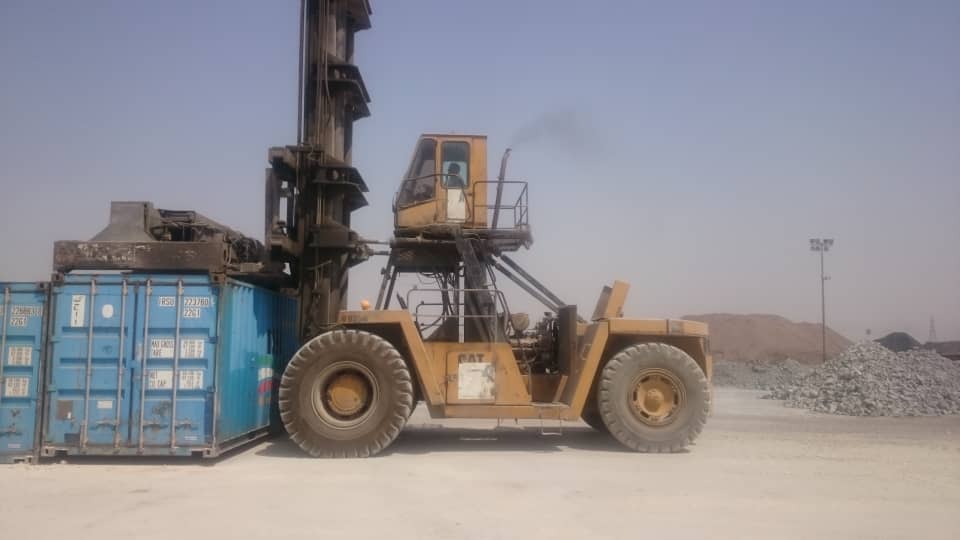
Kardoost Aria specializes in the international trade of mineral products, with a focus on sourcing Iranian celestite and exporting celestite to global markets. We facilitate the supply of products tailored to specific technical requirements, including grade, particle size, and end-user needs.
Celestite, also known as celestine, is a sulfate mineral composed of strontium sulfate (SrSO₄) and is the most important natural source of strontium. It typically forms in sedimentary deposits and is commonly associated with evaporite rocks and formations.
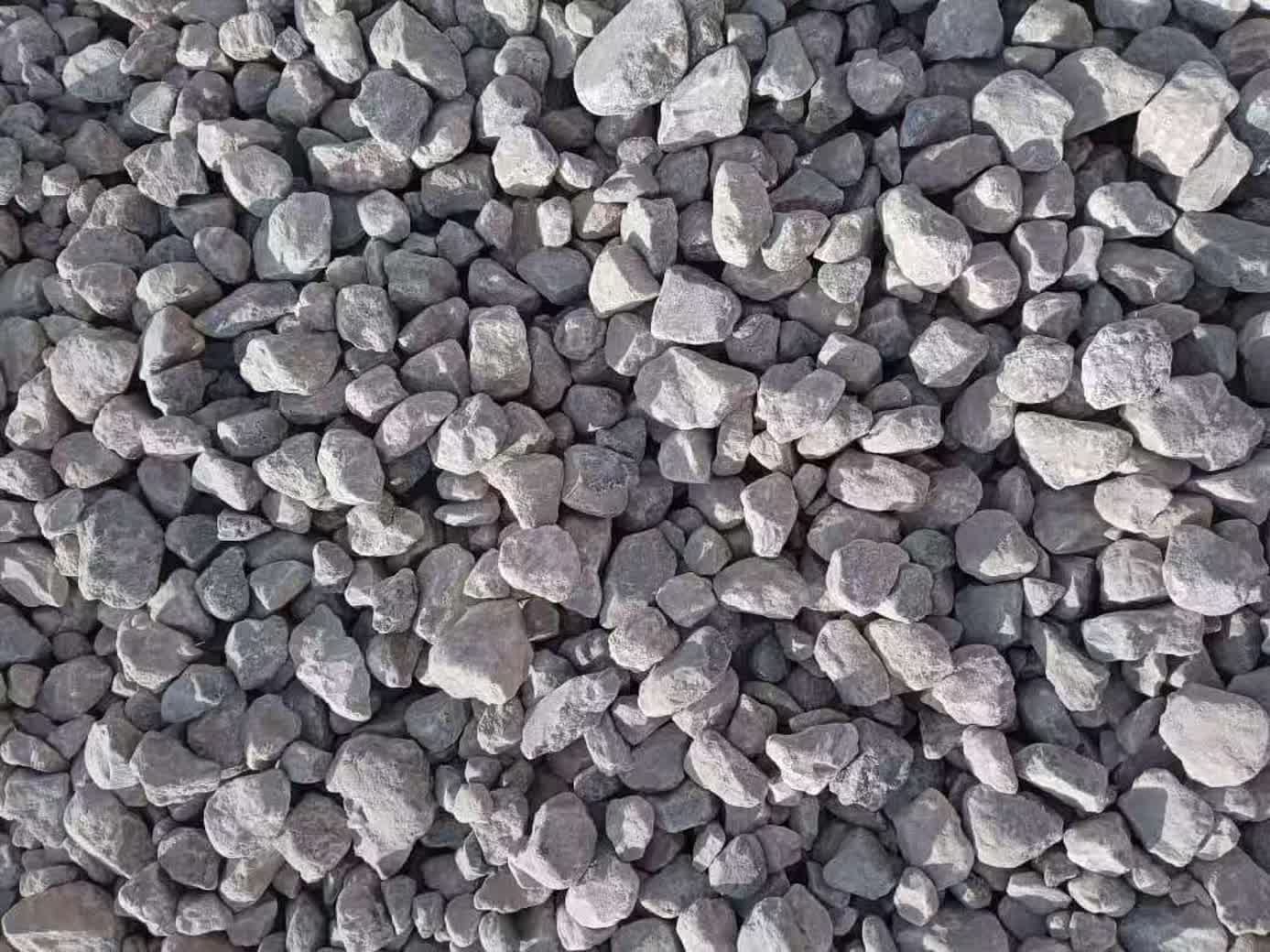
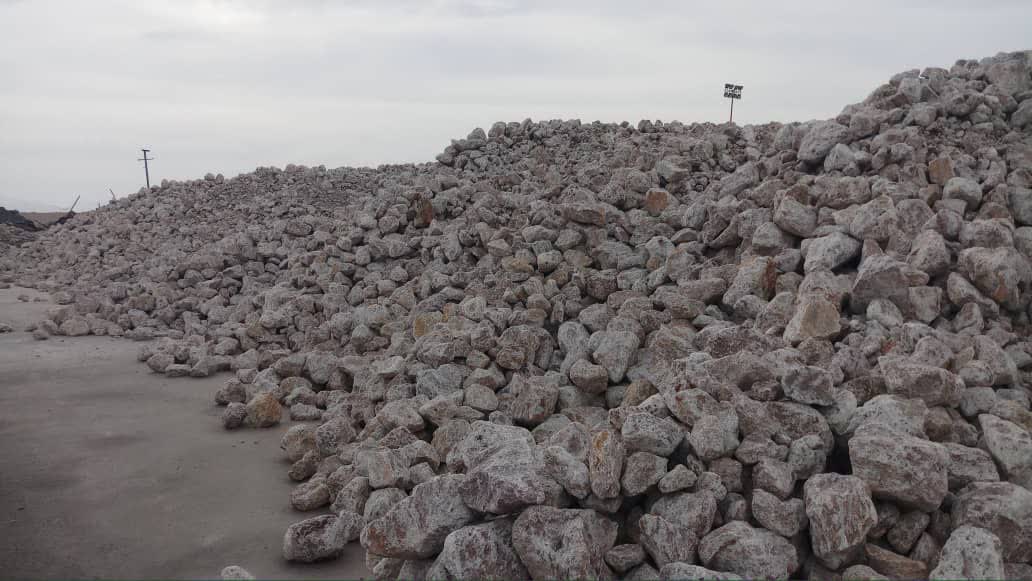
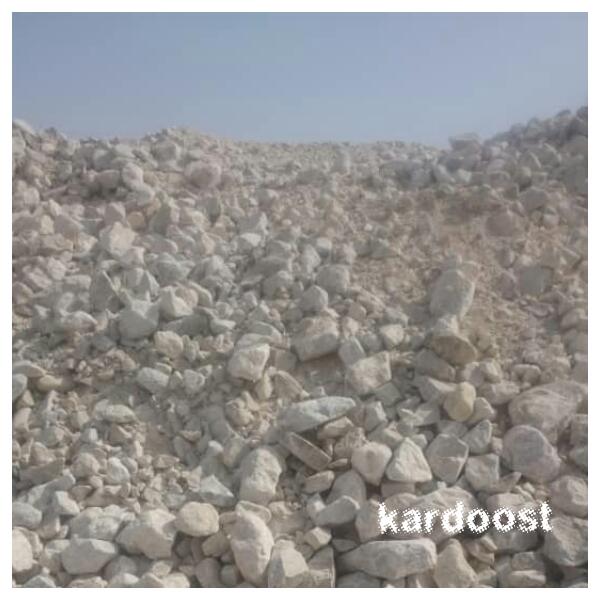
Celestite extracted from mines generally contains varying amounts of associated minerals and impurities, including calcium and barium compounds, silica, iron, and clay minerals, in addition to strontium sulfate. Therefore, celestite grade, impurity levels, and particle size are key factors in determining its quality and suitability for different applications.
Celestite Quality and Grade
Celestite quality cannot be determined by the mineral’s appearance alone. In professional trade, chemical analysis and physical specifications are the primary criteria used to evaluate the product. Key parameters for celestite quality control include SrSO₄, SrO, CaO, BaO, SiO₂, Fe₂O₃, moisture content, and particle size distribution. The concentration of each component can affect the mineral’s suitability for specific applications and its commercial value. Therefore, before an order is finalized, the buyer’s technical requirements are carefully compared with the specifications of the available product.Celestite Testing and Quality Control
Quality control before loading and shipment is an important part of celestite export operations. Representative sampling and appropriate laboratory tests can be conducted to determine chemical composition, grade, impurity levels, moisture content, and particle size distribution. When required, the product specifications can be verified by a laboratory approved by both parties, and a Certificate of Analysis (COA) can be prepared for the shipment. Chemical Industry Celestite serves as an important raw material for the production of strontium compounds, with a wide range of applications across various industries. The U.S. Geological Survey (USGS) identifies celestite as a primary raw material for producing strontium carbonate and other strontium compounds.Chemical Industry
One of the most important applications of celestite is its use as a raw material for producing various strontium compounds, particularly strontium carbonate (SrCO₃).Ceramic Industry
Strontium compounds are used in the manufacture of certain ceramic products, particularly ceramic ferrites and permanent magnets.Glass Industry
Certain strontium compounds are used in the production of glass and specialized glass products for industrial applications.Pyrotechnics Industry
Strontium compounds produce a distinctive red color in flames, making them useful in certain pyrotechnic applications, including fireworks, flares, and signaling devices.Drilling Industry
Ground celestite can be used in certain applications related to oil and gas well drilling fluids. According to the USGS 2026 report, drilling fluids are among the principal uses of celestite in the U.S. market.Other Industrial Applications
Strontium compounds derived from celestite processing are also used in areas such as glass manufacturing, specialized alloys, pigments, and other niche industrial applications.Target Markets for Celestite
The target market for celestite depends on its end use and the customer’s required specifications. In international trade, both celestite ore and strontium compounds, such as strontium carbonate, are traded in global markets. According to the U.S. Geological Survey (USGS), Iran’s exports of strontium carbonate in 2024 were estimated at approximately 1,000 metric tons, with destinations including China, India, and South Korea. This highlights Iran’s presence in Asian strontium-related markets and the potential for expanding international trade in this group of mineral products.Packaging for Export Celestite
Celestite packaging is determined by product specifications, order volume, and destination requirements. Depending on the terms of the transaction, the following packaging options may be available:- Bulk
- Big Bags
- Jumbo Bags
- Industrial sacks
- Customized packaging by mutual agreement
Celestite Quality and Grade
Celestite quality cannot be determined by the mineral's appearance alone. In professional trade, chemical analysis and physical specifications are the primary criteria used to evaluate the product. Key parameters for celestite quality control include SrSO₄, SrO, CaO, BaO, SiO₂, Fe₂O₃, moisture content, and particle size distribution. The concentration of each component can affect the mineral's suitability for specific applications and its commercial value. Therefore, before an order is finalized, the buyer's technical requirements are carefully compared with the specifications of the available product.Celestite Testing and Quality Control
Quality control before loading and shipment is an important part of celestite export operations. Representative sampling and appropriate laboratory tests can be conducted to determine chemical composition, grade, impurity levels, moisture content, and particle size distribution. When required, the product specifications can be verified by a laboratory approved by both parties, and a Certificate of Analysis (COA) can be prepared for the shipment. Chemical Industry Celestite serves as an important raw material for the production of strontium compounds, with a wide range of applications across various industries. The U.S. Geological Survey (USGS) identifies celestite as a primary raw material for producing strontium carbonate and other strontium compounds.Chemical Industry
One of the most important applications of celestite is its use as a raw material for producing various strontium compounds, particularly strontium carbonate (SrCO₃).Ceramic Industry
Strontium compounds are used in the manufacture of certain ceramic products, particularly ceramic ferrites and permanent magnets.Glass Industry
Certain strontium compounds are used in the production of glass and specialized glass products for industrial applications.Pyrotechnics Industry
Strontium compounds produce a distinctive red color in flames, making them useful in certain pyrotechnic applications, including fireworks, flares, and signaling devices.Drilling Industry
Ground celestite can be used in certain applications related to oil and gas well drilling fluids. According to the USGS 2026 report, drilling fluids are among the principal uses of celestite in the U.S. market.Other Industrial Applications
Strontium compounds derived from celestite processing are also used in areas such as glass manufacturing, specialized alloys, pigments, and other niche industrial applications.Target Markets for Celestite
The target market for celestite depends on its end use and the customer's required specifications. In international trade, both celestite ore and strontium compounds, such as strontium carbonate, are traded in global markets. According to the U.S. Geological Survey (USGS), Iran's exports of strontium carbonate in 2024 were estimated at approximately 1,000 metric tons, with destinations including China, India, and South Korea. This highlights Iran's presence in Asian strontium-related markets and the potential for expanding international trade in this group of mineral products.Packaging for Export Celestite
Celestite packaging is determined by product specifications, order volume, and destination requirements. Depending on the terms of the transaction, the following packaging options may be available:- Bulk
- Big Bags
- Jumbo Bags
- Industrial sacks
- Customized packaging by mutual agreement
Meat Trading
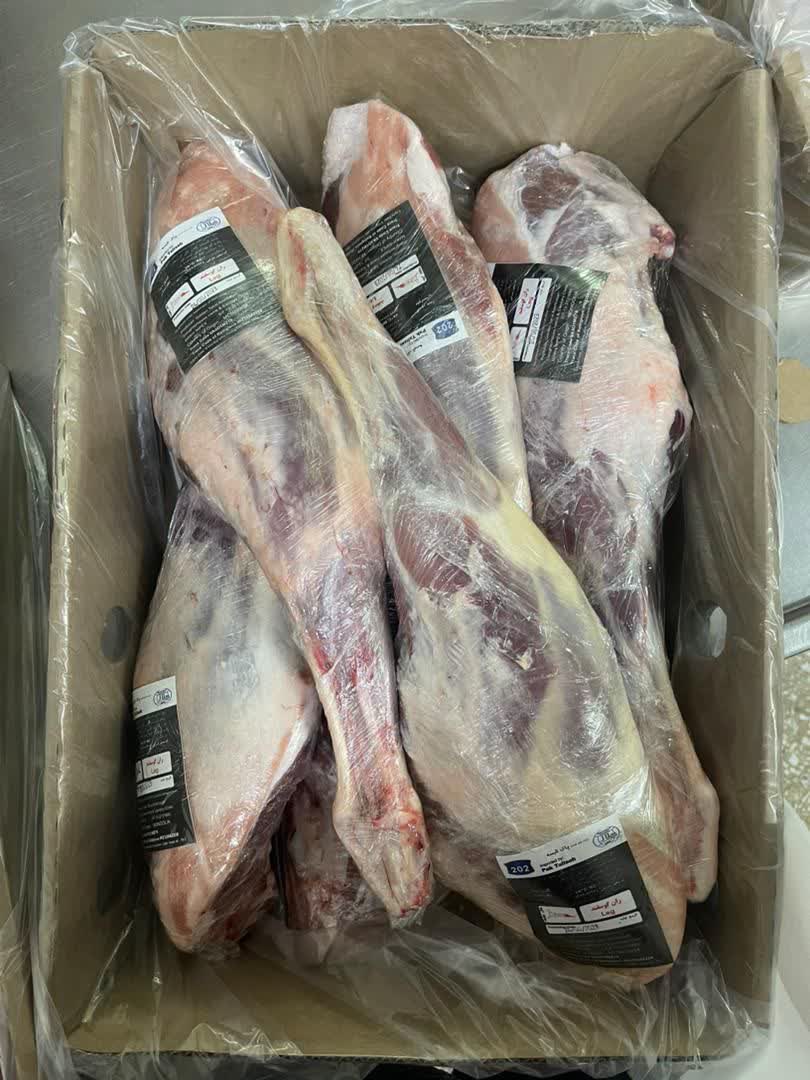
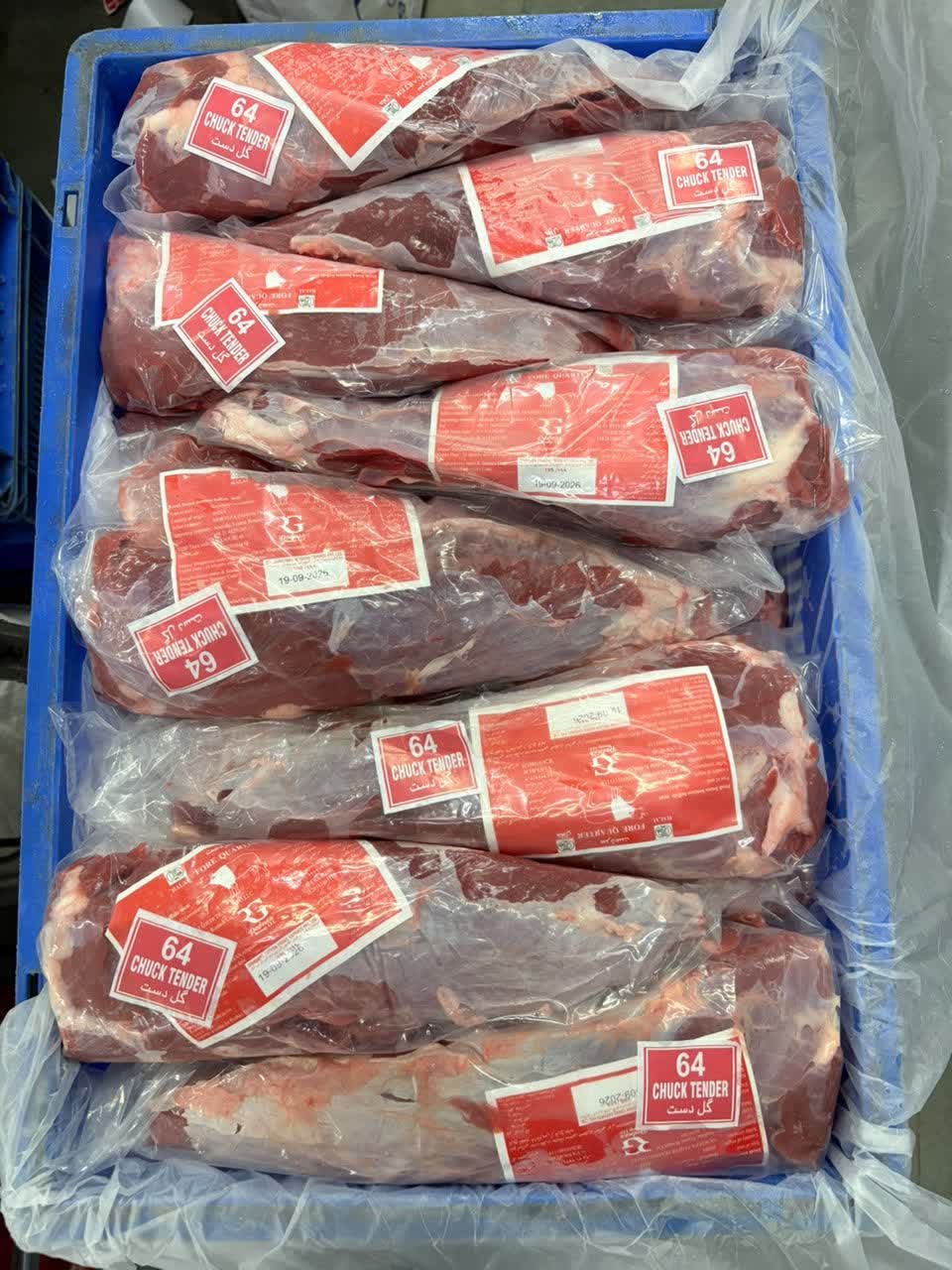
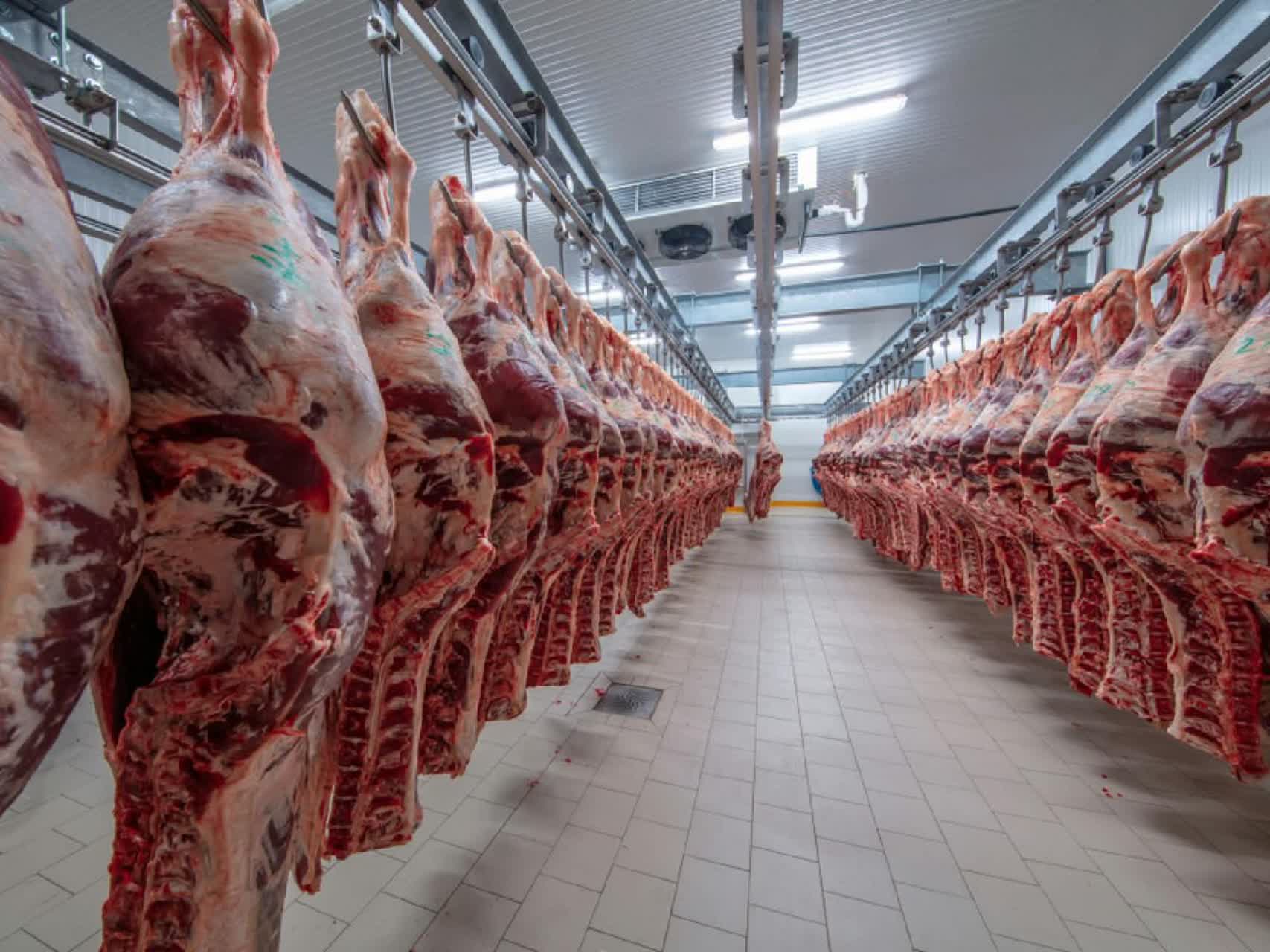
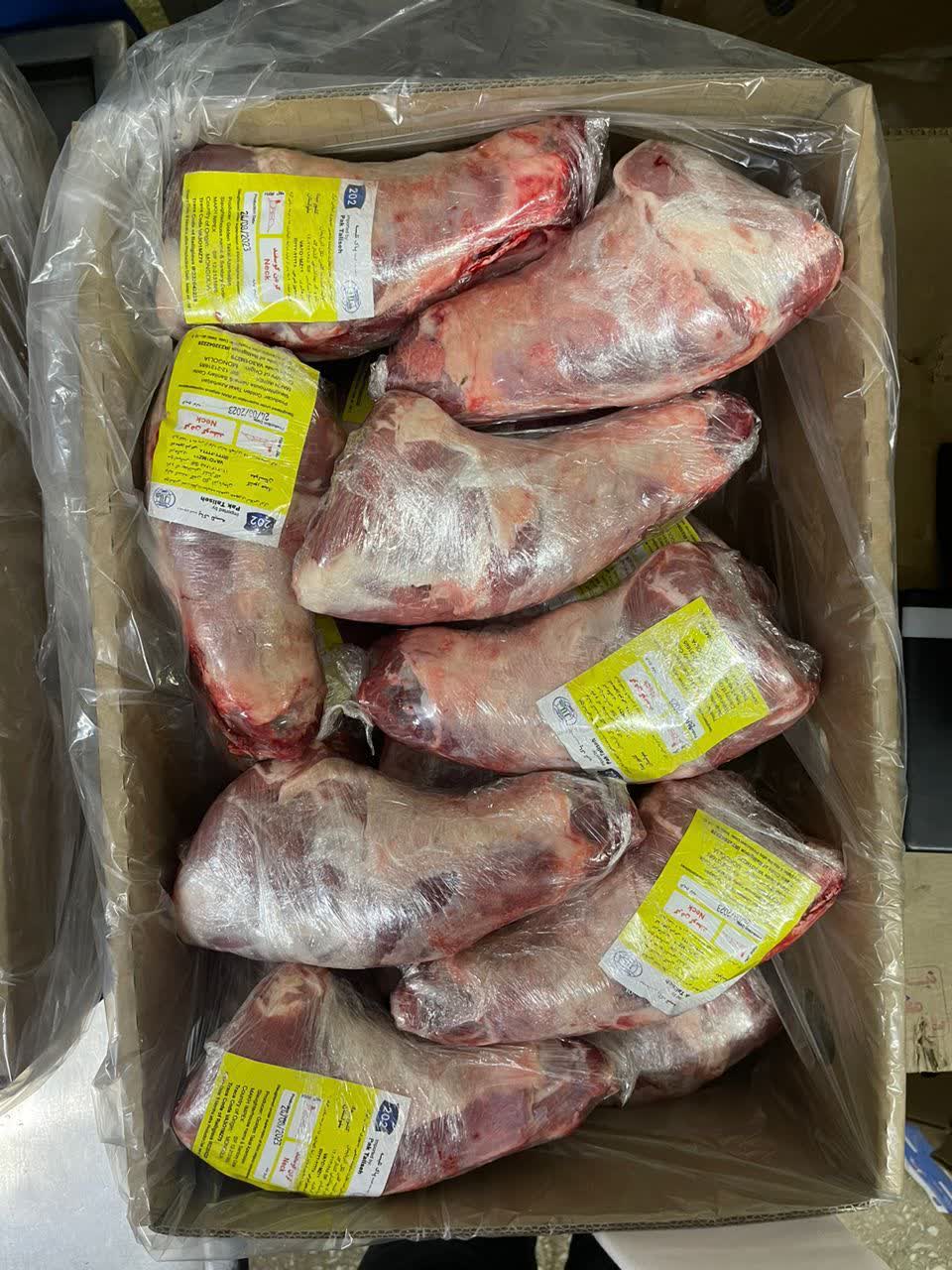
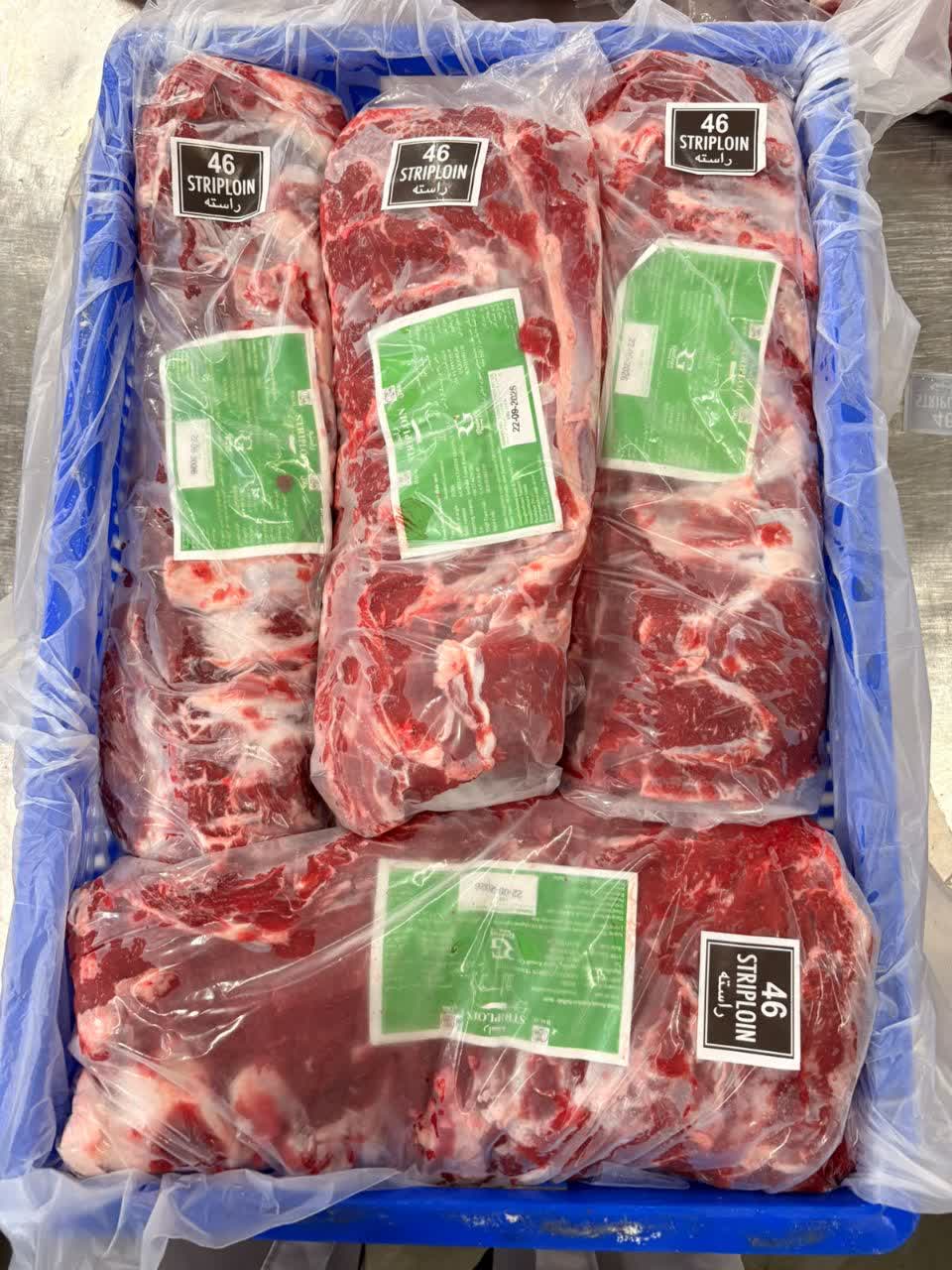
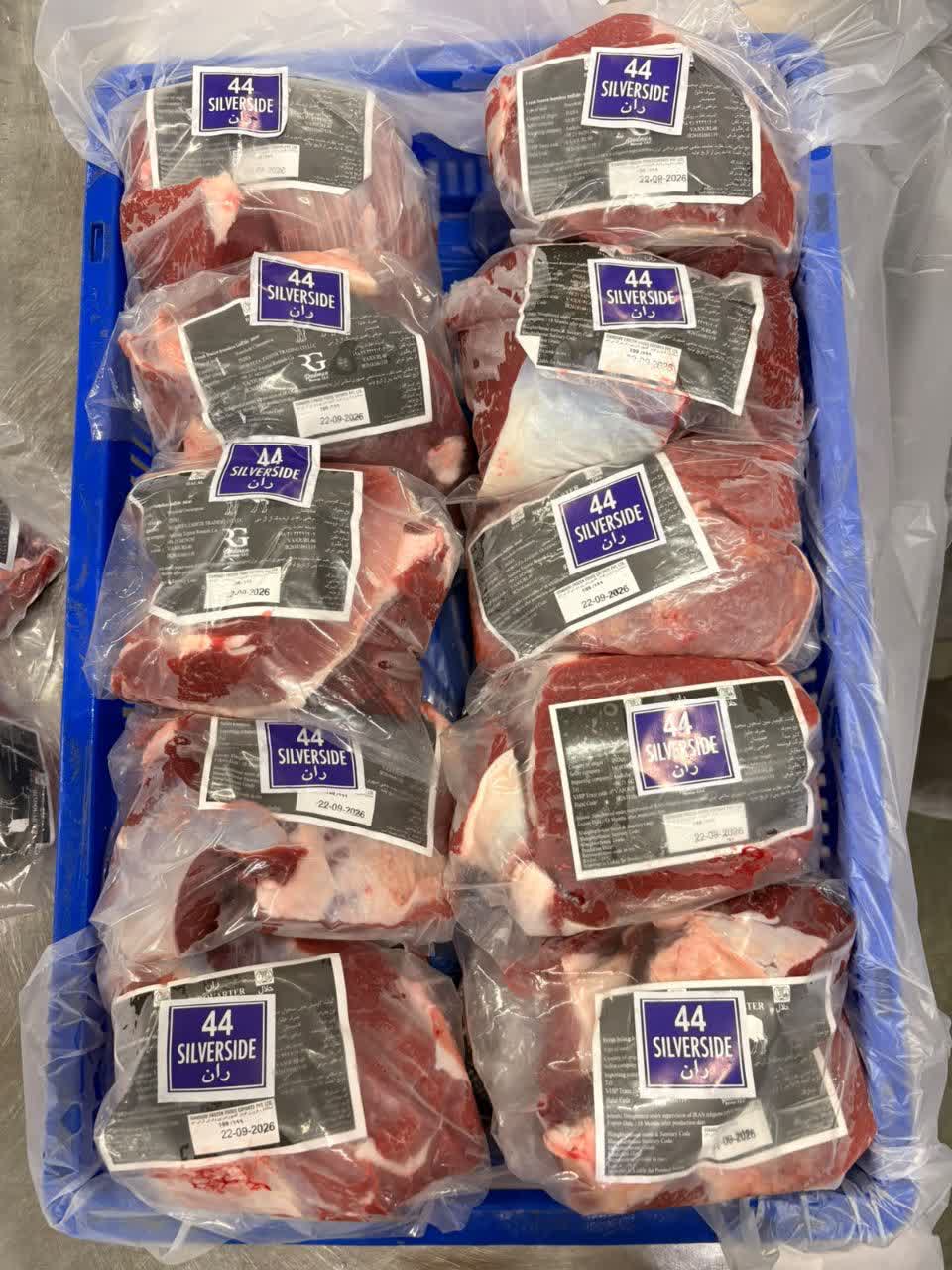
Red meat is an important commodity in the food supply chain, where quality, safety, origin, storage conditions, and transportation play a vital role in preserving product value and ensuring food safety.
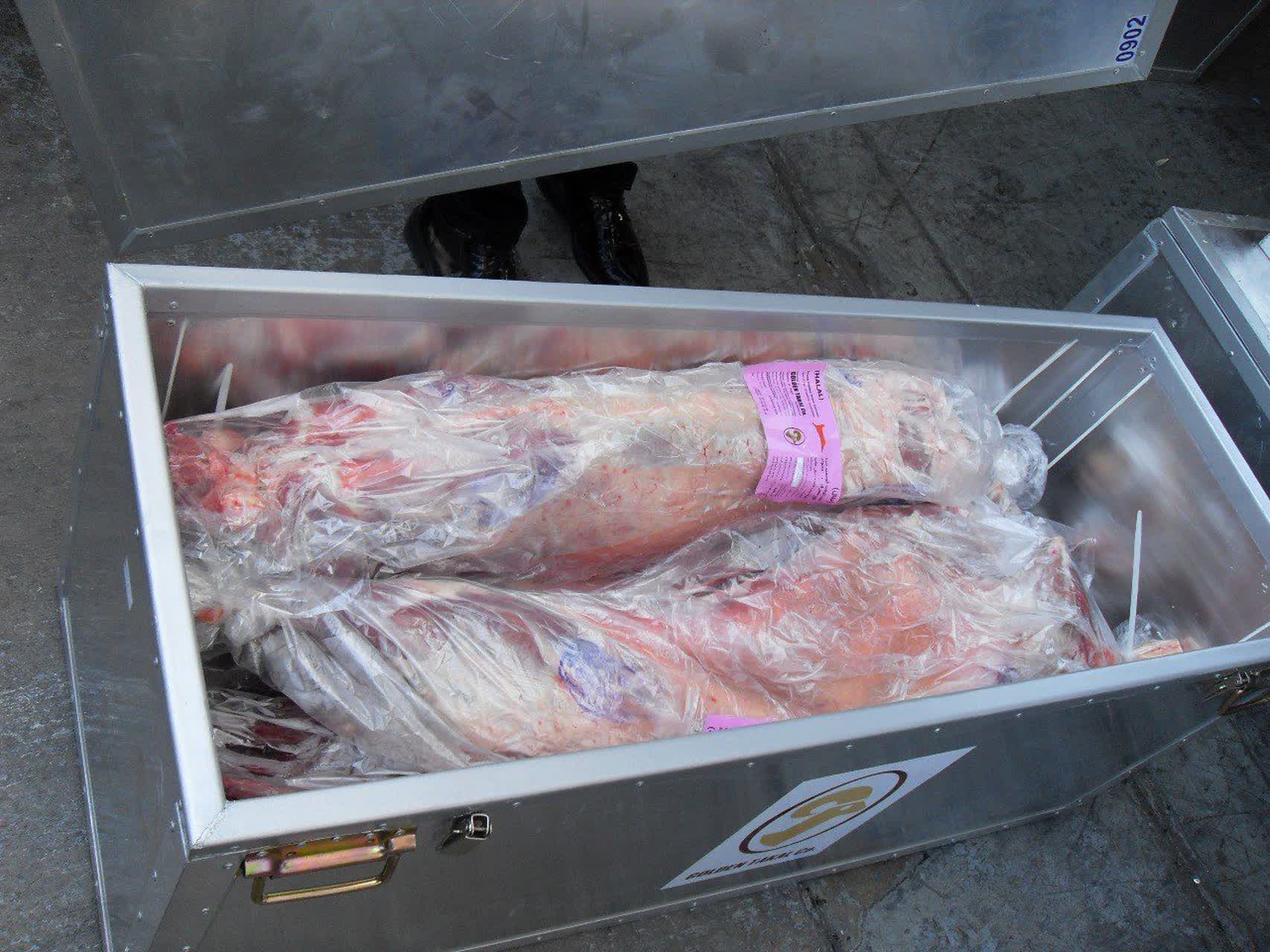
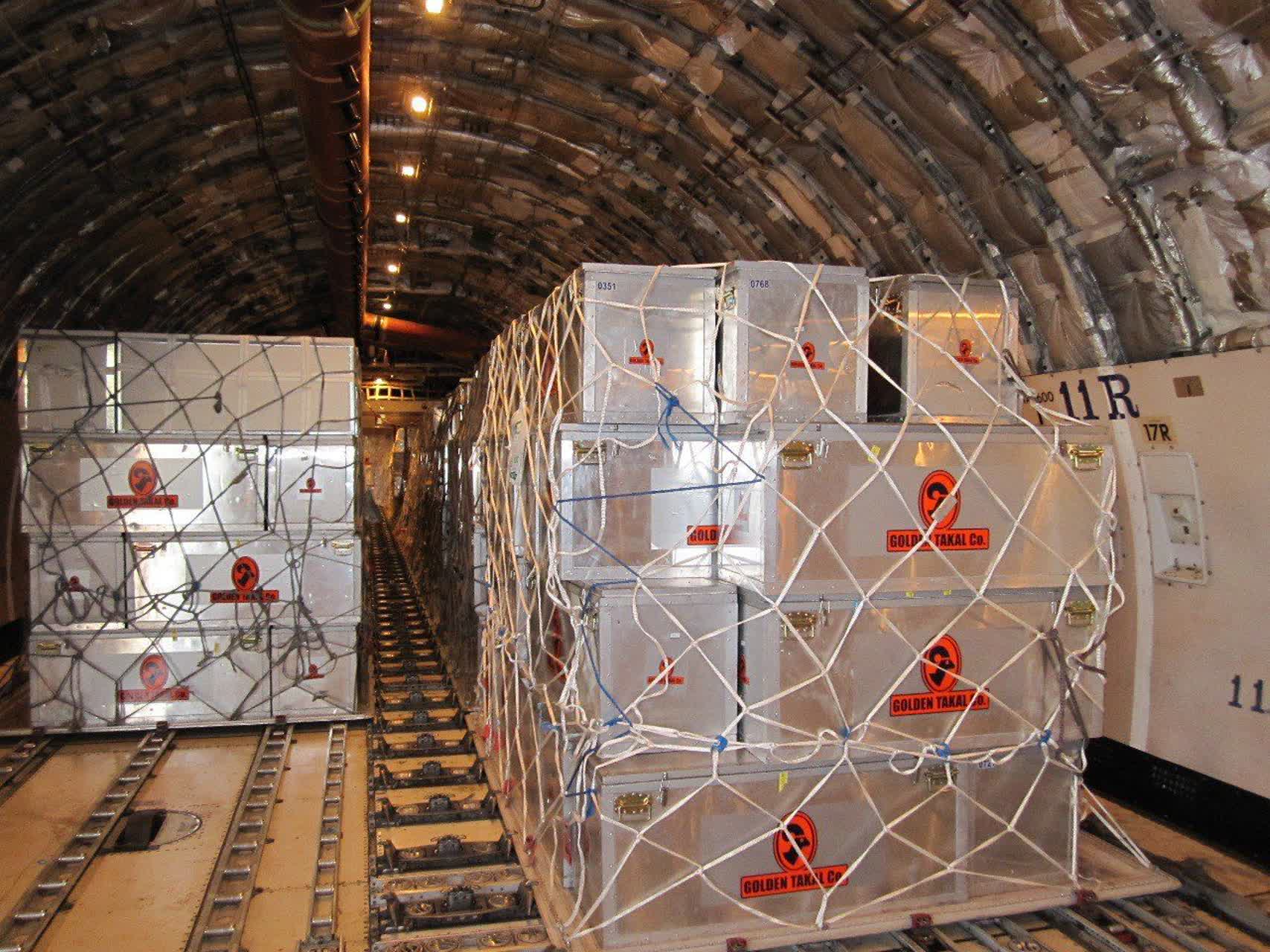
Kardoost Aria operates in international trade, specializing in the sourcing and import of red meat from India, Mongolia, and Brazil. By focusing on supplier selection, product specifications, sanitary requirements, cold chain management, and international transportation coordination, the company manages the sourcing process in line with market demands and customer requirements.
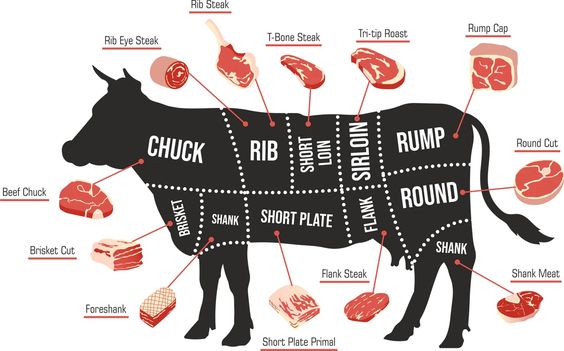
Our supply portfolio may include beef, veal, and buffalo meat, supplied in frozen form and available in various cuts and specifications, according to order requirements and destination regulations.