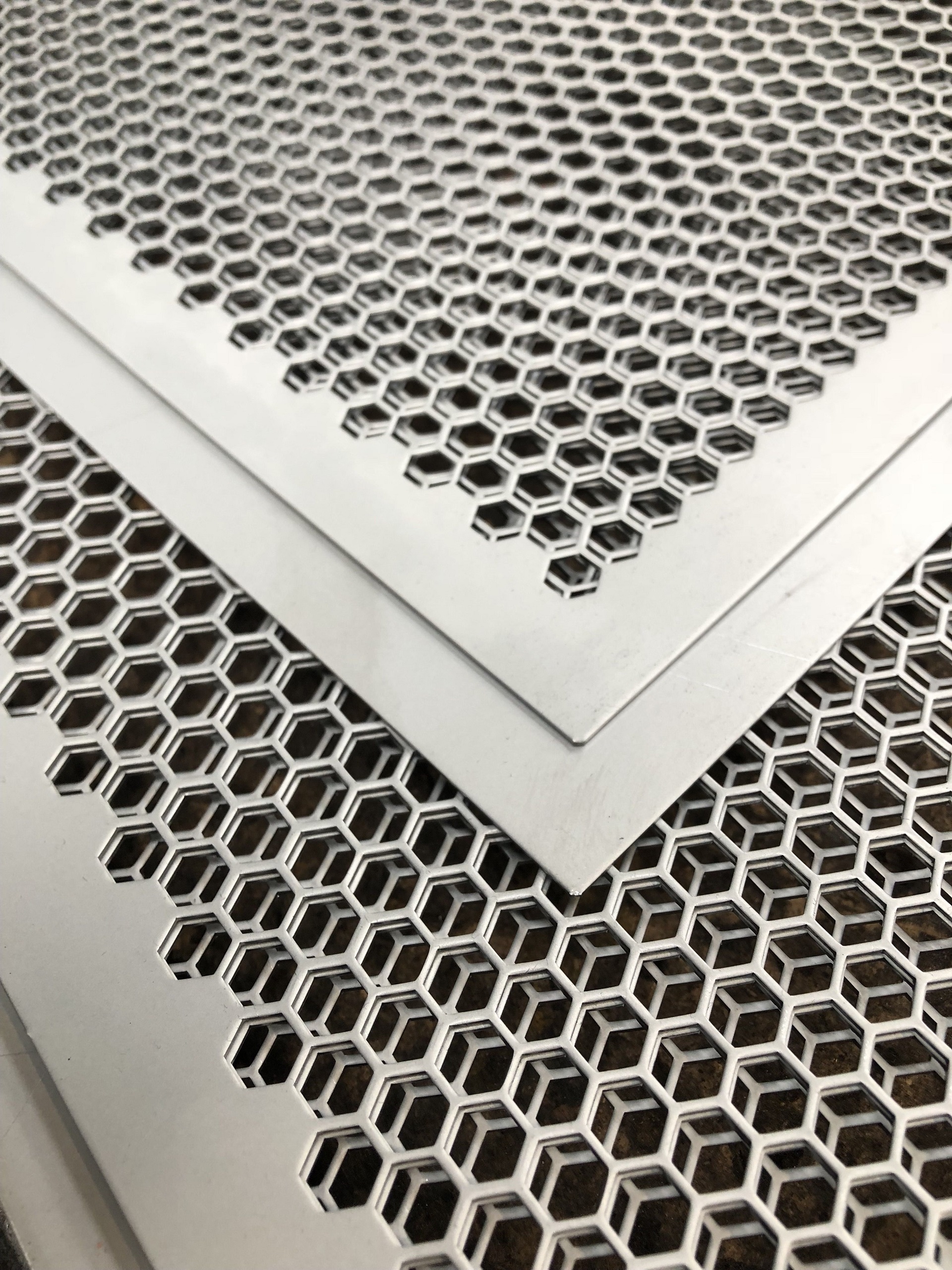
Stainless Steel 304 vs. 316: Key Differences and a Guide to Choosing the Right Grade
One of the most common questions when purchasing and sourcing stainless steel is: Is stainless steel 304 better than 316? The answer depends on the intended application, operating environment, exposure to corrosive substances, and required technical specifications. Both grades are among the most widely used austenitic stainless steels, but differences in their chemical composition make them suitable for different conditions.
Stainless Steel 304: One of the Most Widely Used Grades
Stainless Steel 304 is one of the most common stainless steel grades across various industries, thanks to its good corrosion resistance, excellent formability, and reliable weldability.
This grade is widely used in industrial equipment, food processing facilities, kitchen equipment, storage tanks, components, and many general-purpose applications.
The combination of chromium and nickel in 304 provides good resistance to many corrosive environments, making it a popular choice for a broad range of applications.
Stainless Steel 316: Designed for More Corrosive Environments
Stainless Steel 316 has a similar overall structure to 304, but the presence of molybdenum in its chemical composition provides improved resistance to localized corrosion, particularly in chloride-containing environments.
For this reason, 316 stainless steel is widely used in applications involving greater exposure to chemicals, salts, and other corrosive conditions.
Common applications include chemical processing equipment, certain marine applications, process equipment, and industrial environments where corrosion resistance is especially important.
What Is the Main Difference Between 304 and 316?
The main difference between these two grades lies in their chemical composition, particularly the presence of molybdenum in 316.
In simple terms:
304 is suitable for many general-purpose applications and environments with moderate corrosion risks.
316 is often preferred when enhanced corrosion resistance is required, especially in chloride-containing environments.
Therefore, neither grade is universally better for every project. The right choice should be based on the actual operating conditions and technical requirements.
Are 304 and 316 the Only Stainless Steel Grades?
No. The stainless steel family includes a wide range of grades, each developed for specific applications and operating conditions.
Some commonly used grades include:
- 304
- 316
- 301
- 321
- 309
- 310
- 410
- 430
In addition to the grade, the product form is also important. Stainless steel can be supplied as sheets, coils, strips, pipes, profiles, bars, fittings, and other product forms.
What Factors Determine the Right Stainless Steel Grade?
Before purchasing stainless steel, several key factors should be considered:
Application, environmental conditions, corrosion exposure, operating temperature, welding and forming requirements, dimensions and thickness, applicable standards, and order quantity.
For example, selecting stainless steel for a general industrial environment may require a different approach from choosing material for an environment with high humidity and significant chloride exposure.
Stainless Steel Supply Based on Project Specifications
In industrial trade, simply specifying “stainless steel” is not enough to place an accurate order. Clearly defining the grade, dimensions, thickness, product form, applicable standard, and required quantity helps ensure more precise sourcing and reduces the risk of discrepancies during delivery.
At Kardoost Aria, stainless steel is sourced according to customer requirements and project specifications. The company works with various stainless steel grades, particularly 304 and 316, and supplies a range of products, including sheets, coils, pipes, profiles, and fittings.
Conclusion
Stainless steel 304 and 316 are both widely used grades, but differences in chemical composition and corrosion resistance make each suitable for different operating conditions.
Ultimately, choosing the right stainless steel begins with defining the technical requirements, rather than simply selecting the grade with the more familiar name. Evaluating the operating environment, technical specifications, and product form helps identify the most suitable material for each project.