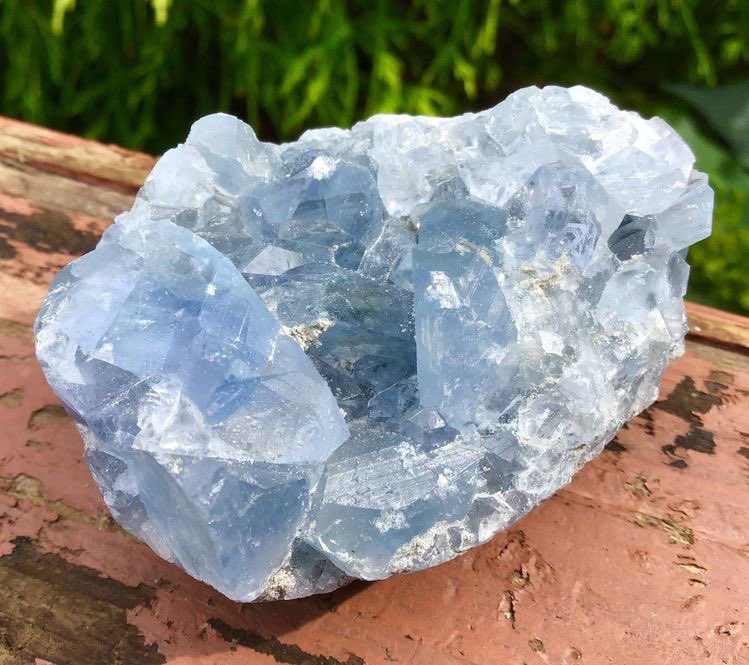
A Guide to Evaluating Celestite Analysis and Technical Specifications
In mineral trading, product quality cannot be determined by appearance alone. Like many other minerals, Celestite can vary in quality depending on its source, processing methods, and chemical composition. For this reason, carefully reviewing technical specifications and product analysis is essential when purchasing or exporting Celestite.
Key Criteria for Evaluating Celestite
One of the first parameters to consider when evaluating Celestite is its strontium sulfate (SrSO₄) content. The SrSO₄ percentage is an important indicator used to assess product quality and determine its potential applications.
Other associated elements and compounds must also be considered. Depending on the intended application, buyers may pay particular attention to calcium, barium, silica, iron, and other impurities.
A reliable analysis should therefore provide a clear picture of the product’s chemical composition rather than simply identifying the mineral by name.
Celestite Color: Is It an Indicator of Quality?
Celestite occurs naturally in various colors, depending on its formation conditions and associated mineral components. Consequently, color alone is not a reliable criterion for determining the commercial quality of Celestite.
In professional transactions, appearance can be useful for preliminary assessment. However, the final purchasing decision should be based on laboratory analysis and the technical specifications agreed upon by the buyer and seller.
The Importance of Particle Size in Celestite Procurement
Particle size is another specification that should be defined before placing an order. Depending on the end user’s requirements, Celestite may be supplied as rock, lumps, powder, or material processed to a specified particle size.
When requesting a Celestite quotation, it is advisable to specify both the required quantity and the desired particle size and processing method. These factors can affect product preparation, packaging, and the final cost.
Laboratory Analysis: An Essential Part of the Transaction
For commercial transactions, particularly export orders, providing a Certificate of Analysis (COA) is an important step in product evaluation.
A COA can include information such as chemical composition, the percentage of the principal component, and the levels of selected impurities. Comparing these results with the buyer’s requirements helps ensure a more informed product selection.
For bulk orders, product samples can also be tested before the transaction is finalized to verify whether the material meets the buyer’s technical requirements.
Why Do Technical Specifications Matter Before Price?
In mineral procurement, a quotation provided without clearly defined product specifications may not accurately reflect the actual value of the transaction.
Celestite prices can be influenced by several factors, including:
- Purity and SrSO₄ content
- Impurity levels
- Particle size
- Processing method
- Order quantity
- Packaging type
- Delivery location
- Transportation and export terms
For this reason, defining the required technical specifications in advance helps buyers obtain a more accurate and relevant commercial quotation.
Celestite